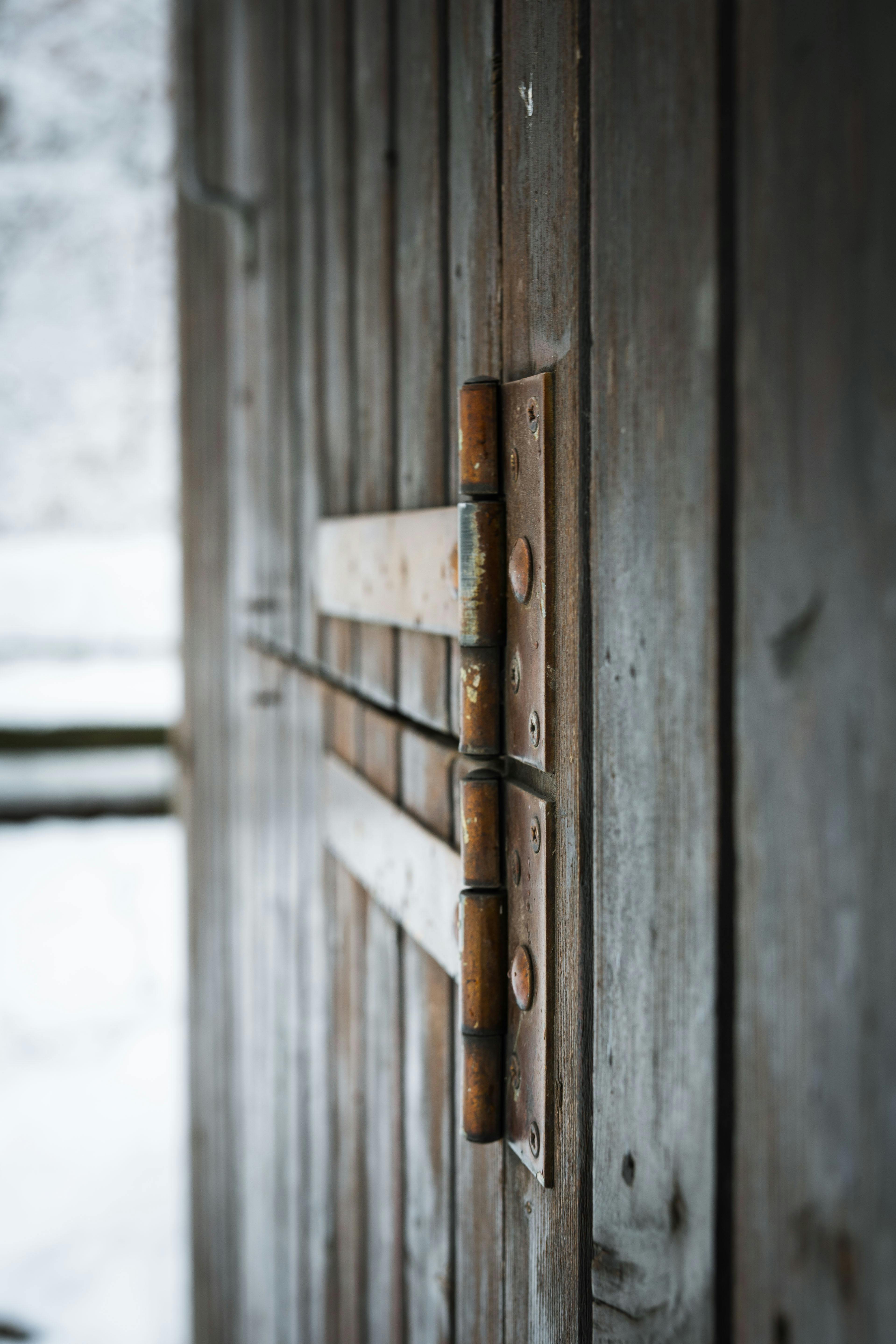
Do you hear that squeaking sound every time the door opens? It's your hinge basically begging for help. White lithium grease and silicone spray are the two names you'll run into most when hunting for the best lubricant for door hinges, but picking between them isn't as simple as grabbing whichever can is closer. A heavy front door soaking in rain needs something completely different from a quiet bedroom door that barely gets touched.
Light machine oil, WD-40, and dry lubricants all show up in this conversation too, each earning its spot depending on how much mess you can live with. So the real question isn't which lubricant wins overall. It's which one actually stops your specific hinge from squeaking, without the noise creeping back a week later.

What’s The Ideal Option To Lubricate door Hinges?
The right choice of the type of lubricant for door hinges is white lithium grease because it’s long lasting. But the silicone spray can also work well for a cleaner solution. Both solutions have the same function, although they address different challenges.
- Weight of the door: heavier doors will put additional strain on the hinge pin
- Use frequency: affects how quickly the lubricant gets used up
- Indoor or outdoor: changes which products hold up over time
- Moisture exposure: washes away lighter lubricants faster
- Residue tolerance: points you toward grease or spray
- Hinge condition: a simple squeak vs. something stuck and rusted
Weigh these together,r and the choice usually becomes clear.
Quick Comparison
|
Lubricant |
Best For |
Main Advantage |
Main Drawback |
|
White lithium grease |
Heavy, high-use, exterior hinges |
Long-lasting lubrication |
Can leave visible residue |
|
Silicone spray |
Interior, cleaner applications |
Low residue, moisture-resistant |
Wears off faster |
|
Light machine oil |
Routine maintenance |
Easy to apply |
Can drip, attracts dust |
|
Dry lubricant |
Dust-sensitive areas |
Little oily residue |
Not ideal for every hinge |
|
WD-40 Multi-Use |
Freeing stiff parts, quick relief |
Penetrates, displaces moisture |
May not last as long |
Best for Prolonged Lubrication: White Lithium Grease
Door hinge lubricants such as white lithium greases adhere to the metal rather than moving away from it and form a coating that reduces friction.
It's often the best door hinge grease for doors opened dozens of times a day. Heavy front doors and garage entry doors benefit most, since extra weight strains the metal.
The Best Product For The Finest Finish: Silicone Spray
A film of silicone will not form any grease and can be used wherever water resistance is required, such as in very humid kitchens and bathrooms. If your hinges are decorative, the noise won’t be an issue, and there will be no mess.

White Lithium Grease vs. Silicone Lubricant: Which Is Better?
Although white lithium grease lasts longer, silicone ensures that all things remain clean.
Use white lithium grease when:
- Durability is your main concern
- The door is heavy or used often
- The hinge faces rain or humidity outdoors
- You want a thicker product that won't wash away
- There's noticeable metal-to-metal friction
Choose silicone spray if:
- You want less visible residue
- The hinge is indoors, rarely wet
- Dust buildup is a concern
- You need a quick, low-cleanup fix
- The hinge sees light to moderate use
Which Would Be Best for a Noisy Door?
The best thing to do when there is an actively used door is to apply white lithium grease. Should your door happen to be light, you could apply silicone spray. This would take care of the squeaking. It depends on the usage and neither choice is incorrect.
Best Lubricants for Interior & Exterior Hinges?
There is not much maintenance for interior door hinges, but it is a different story for exterior hinges.
Interior Door Hinges
Silicone spray or light machine oil handles most interior hinges without trouble. If a bedroom or closet door gets heavy use, white lithium grease will typically outlast both.
Exterior Door Hinges
The white lithium grease is the better choice for outside use because it does not wash out in rain and remains stable despite changes in temperature. There is also a possibility of using a weatherproof silicone-based lubricant, but greases will resist moisture and rust better.
Front, Bathroom, and Garage Doors
- The front door gets all-year weathering and opens much more frequently than other exterior doors, thus needing a durable lubricant.
- Bathroom doors are subject to moisture every time someone takes a shower, which causes accelerated rusting without the lubricant.
- Garage doors get dirty quickly because of temperature changes between summer and winter.
Is Light Machine Oil Suitable for Door Hinges?
Light machine oil is a practical choice for minor hinge squeaks and routine household maintenance. It works especially well on hinges that aren't heavily loaded and for situations where easy application is a priority.
Common options include:
- 3-IN-ONE oil
- Sewing machine oil
- Other light machine oils designed for metal parts
Downsides:
- Can run down the hinge and drip onto the floor
- May stain wood or painted surfaces nearby
- Attracts more dust than grease or silicone
- Needs more frequent reapplication than door hinge grease
Is White Lithium Grease Good for Car Door Hinges?
Yes. A car door hinge wears the same way a household hinge do:s, metal pin, metal barrel, friction every time it swings, and white lithium grease for car door hinges is the go-to for exactly that reason: it clings to the metal instead of flinging off under the vibration of a moving vehicle. A few things to keep in mind before you apply it:
- Wipe the hinge clean first, grease over grime just traps it
- Make sure that the grease stays far away from the paint and rubber seals, as the grease will eventually discolor the paint and deteriorate the rubber.
- Check your owner's manual, since some manufacturers specify a particular product for their hardware
A car hinge also takes on vibration and temperature extremes a bedroom door never sees. Apply grease with the same technique as you apply WD-40, but with closer proximity to the various parts of the hinge.
Can you use WD-40 on door hinges?
When choosing a WD-40 product for door hinges, it helps to know that WD-40 is a brand, not a single type of lubricant. Its different formulas are made for different purposes:
- WD-40 Multi-Use Product: A light lubricant that can also loosen, clean, and protect metal.
- WD-40 Specialist White Lithium Grease: A thicker lubricant designed for longer-lasting metal-to-metal lubrication.
- WD-40 Specialist Silicone: A water-resistant lubricant suited to applications where silicone is preferred.
For door hinges, the right choice depends on the type of lubrication needed and how often the hinge requires maintenance.
What About Dry Lubricants and Graphite?
Dirt is the enemy of a lubricant that is full of oil, and this is why dry lubricants work. They don’t leave any sort of sticky residue for the dirt to latch on to.
If you have a light duty hinge somewhere and residue bothers you more than long-term staying power, this is worth a look. Graphite sits in the same family and loosens a stuck lock well enough, but watch out for the dark marks it can leave on lighter surfaces.
That is mostly why people stick to using it on locks and leave everyday hinges alone.
What Can You Use on Door Hinges in a Pinch?
Nothing proper on hand? Check the kitchen first.
- The petroleum jelly reduces the friction, although briefly.
- Using a bar of soap applied to the pin can be handy when there is an urgent need. This method is very messy.
- Paraffin or wax from candles makes the squeaking stop, although temporarily.
- The olive oil or any other cooking oil would help in emergency cases, but it will become sticky in a few days.

How to Lubricate Door Hinges Properly
- Identify the problem hinge first. Move the door slowly while closing and opening it to find out where the noise is coming from. Most doors will have between two to three hinges, but the problematic one will just have one.
- Clean it first before lubricating it.
- Clean it before you touch it with lubricant. Dirt, dust, old residue, and loose rust all need to come off.
- Apply a small amount to the pin and joint. A little goes further than you'd think.
- Move the door back and forth a few times so the lubricant works through.
- Wipe away drips. Leave them sitting there, and they will stain your door finish, trim, or the floor underneath.
Should You Remove the Hinge Pin Before Lubricating?
Not every squeak needs the pin out. Start light before you disassemble anything.
For a Minor Squeak
Try lubricating without pulling the pin first. Many squeaks clear up with a light application around the joint.
For a Persistent Squeak
If the noise continues, deeper cleaning helps:
- Support the door so it doesn't shift while you work
- Remove the hinge pin carefully
- Clean off rust and old residue from the pin
- Apply fresh lubricant
- Reinstall the pin and wipe away excess
Don’t Force the Hinge Pin Under Certain Conditions
Avoid forcing the hinge pin where the hardware is painted over, or where there is extreme rusting, or if there is any sign of damage.
What to Do if the Hinge Is Rusty or Seized Up
The penetrating oil will release a stuck hinge pin; the lubricant will keep it from seizing up again.
Clean away as much rust and buildup as you can first, since fresh product over rust won't solve the real problem.
Once the door is swinging open freely, add lubricant to prevent that condition in the future. However, the fact is: If the door hinge is binding, frozen due to rust, has a bent leaf, a worn pin, or damaged knuckles; all that you can do is replace the door hinge.
Common Door Hinge Lubrication Mistakes
- Too much lubricant creates drips and attracts dust
- Lubricating a dirty hinge just traps grime
- Spraying everywhere instead of targeting the hinge wastes product and can stain nearby surfaces
- Treating every squeak as a lubrication issue overlooks loose screws or misalignment
How Often Should You Lubricate Door Hinges?
Honestly, there's no calendar you can follow here. A door that gets opened fifty times a day wears through lubricant a lot faster than one nobody touches for a week. Hinges outdoors endure rain and moisture, so they dry faster than anything on the inside of the house, and the dust is really nothing beneficial to them. Some lubricant selection does make an impact as grease lasts longer than a light oil.
Forget the schedule and just pay attention to the door instead. Squeak's back? Time to reapply. Feels a bit rough when it swings? Same thing. If the hinge looks dry, or it just went through a heavy rainstorm and sits outside, that's your cue too.

Frequently Asked Questions
What is the best lubricant for door hinges?
Grab white lithium grease if you need it to last. Prefer less mess? Silicone spray is the one to reach for.
What is the best lube for door hinges?
Comes down to the hinge you're dealing with. Grease outlasts silicone, but silicone stays cleaner if the door's indoors.
Is white lithium grease good for door hinges?
It is, especially on a heavy door or one that takes a beating from the weather outside.
Conclusion
So, picking between these two really just comes down to where the hinge lives and how hard it gets used. White lithium is ideal for really stout doors, or an outside one, it's the only one I know that doesn't just die under that kind of stress. The silicone spray is almost always better for the inside when you don't want it all messy. And if it's just an occasional squeak on a door that barely gets touched, light machine oil will do the trick.
WD-40 Multi-Use is handy too, but mainly for freeing something that's seized up or knocking out a squeak in a hurry. It was never built to replace a proper lubricant long-term. Start small, just a little on the moving parts, and see how the door reacts. Still squeaking after that? Stop using the aerosol and examine the hinges. In nine cases out of ten, you will find either rust, a loose screw, or something that is just tired of it all.