
Outdoor Porch Light
Create a welcoming entrance withporch light fixtures that complement your home and make everyday arrivals easier. From a decorative porch light beside the front door to an overhead fixture above a covered entry, thoughtful lighting helps you see keys, door handles, steps, and the walking surface after dark.
The right outside porch light balances appearance with practical performance. Its mounting position, weather rating, light output, and controls all influence how well it works in your space. Start with the areas that need illumination, then choose a fixture style and finish that suit your home.


-
Waterproof Outdoor Rectangular Up and Down Exterior Wall Lights
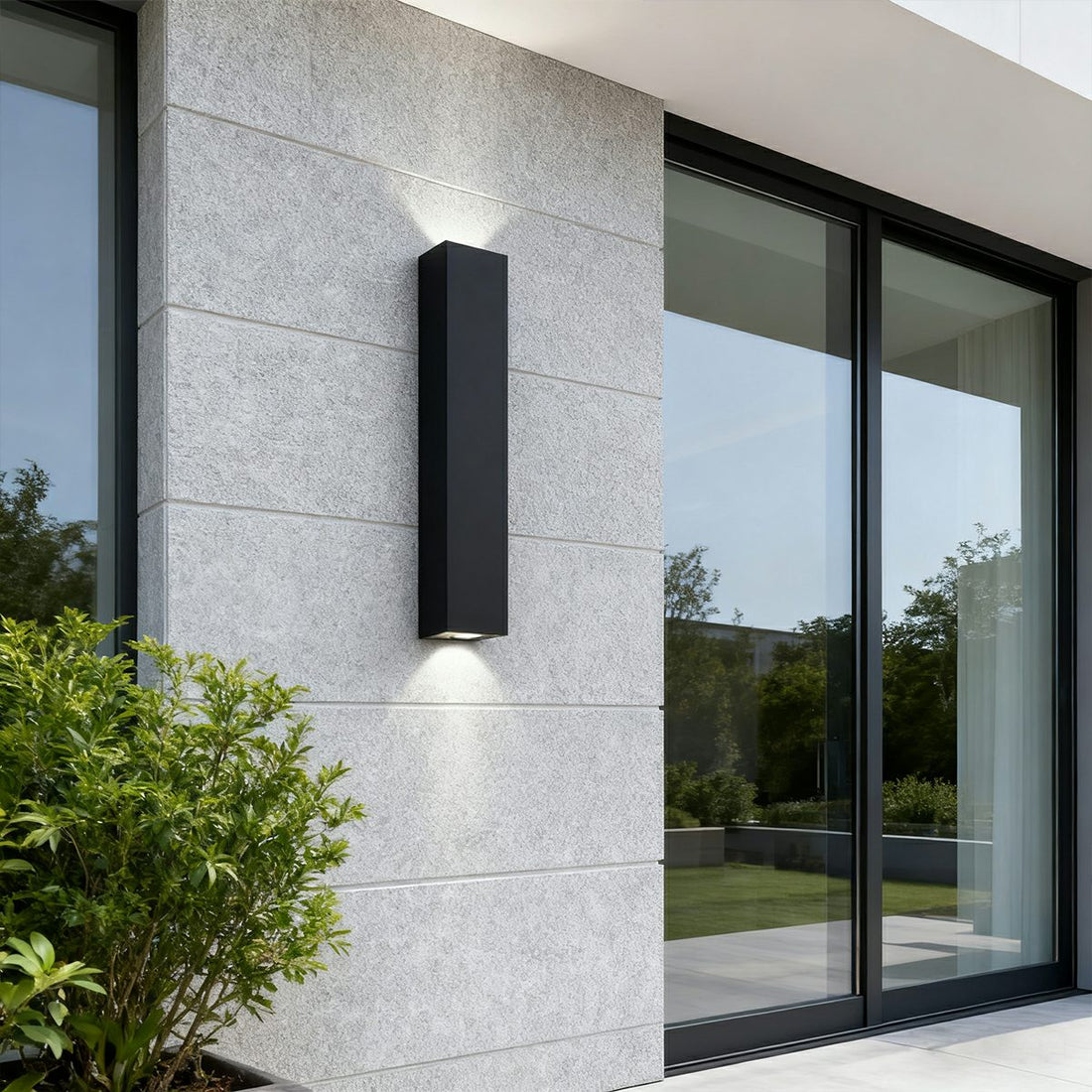 Waterproof Outdoor Rectangular Up and Down Exterior Wall Lights
- Regular price
-
From
$197.99 - Regular price
-
$227.99 - Sale price
-
From
$197.99
-
Black Waterproof Outdoor LED Strip Lights Porch Light Exterior Wall Lights
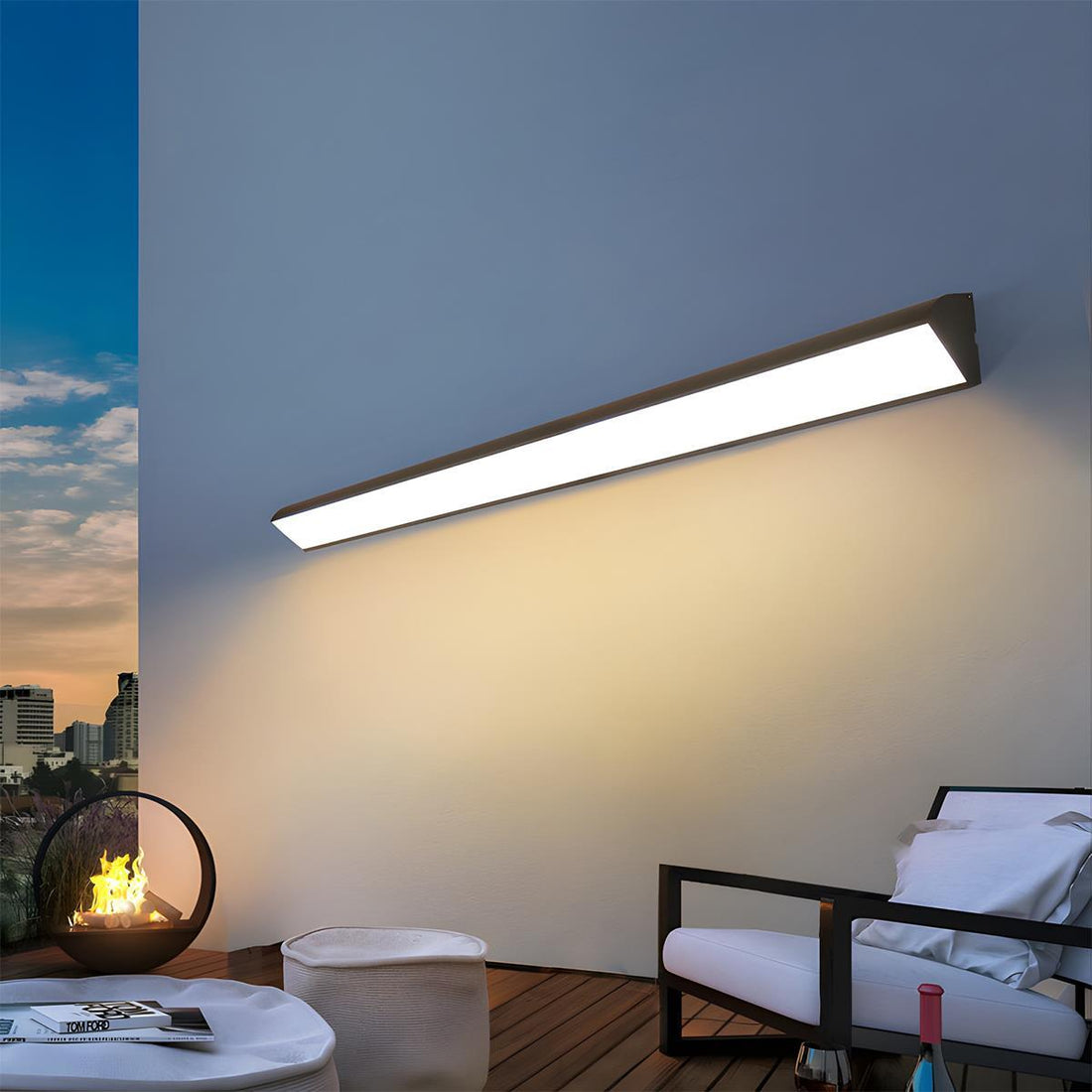 Black Waterproof Outdoor LED Strip Lights Porch Light Exterior Wall Lights
- Regular price
-
From
$136.99 - Regular price
-
$150.99 - Sale price
-
From
$136.99
-
Waterproof Outdoor Vintage Mid Century LED Porch Light Wall Lights
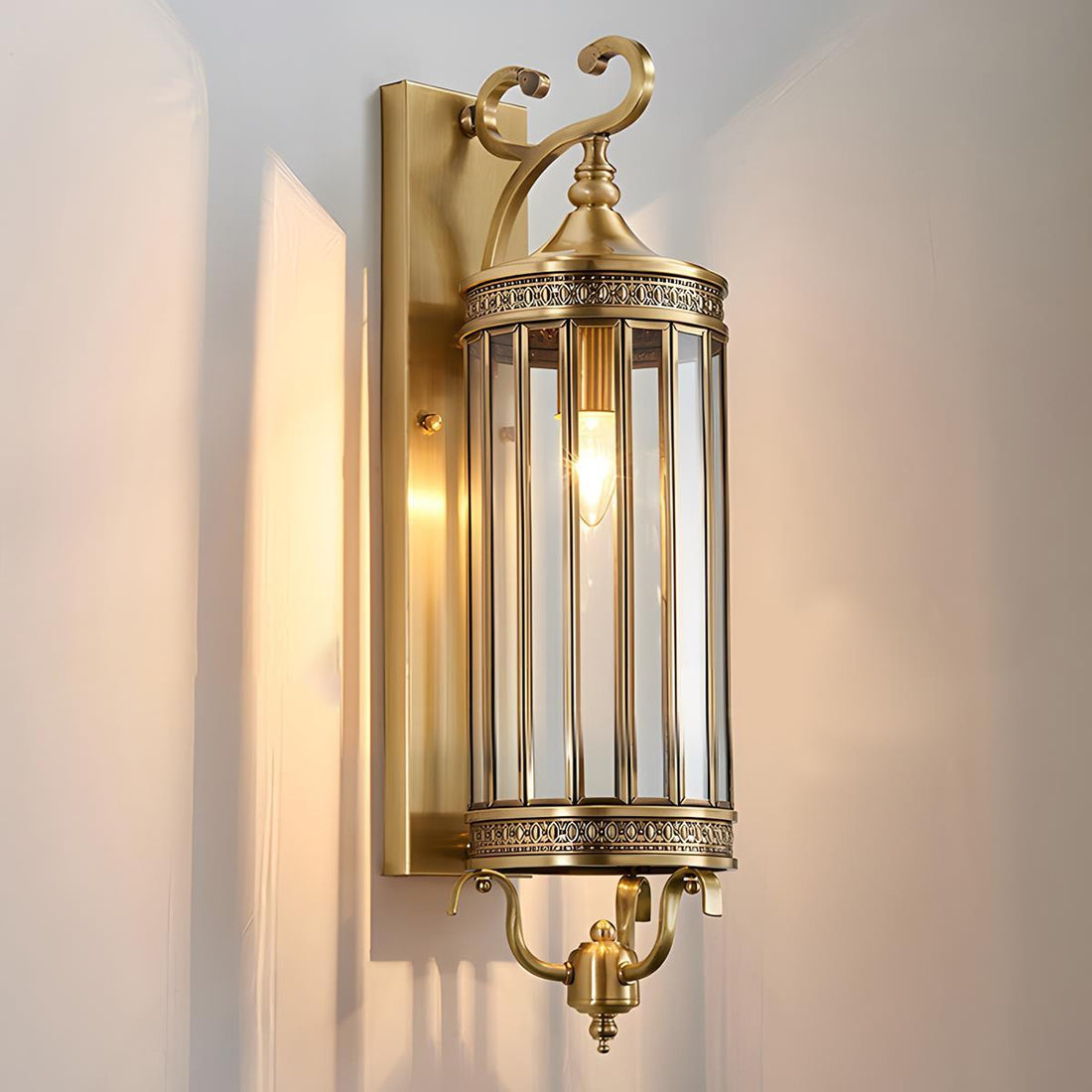 Waterproof Outdoor Vintage Mid Century LED Porch Light Wall Lights
- Regular price
-
From
$273.99 - Regular price
-
$303.99 - Sale price
-
From
$273.99
-
Waterproof Vintage Bird's Nest Outdoor Wall Lights Lantern
 Waterproof Vintage Bird's Nest Outdoor Wall Lights Lantern
- Regular price
-
From
$143.99 - Regular price
-
$168.99 - Sale price
-
From
$143.99
-
Waterproof Modern Animal Shape Outdoor LED Wall Lights
 Waterproof Modern Animal Shape Outdoor LED Wall Lights
- Regular price
-
$99.99 - Regular price
-
$110.99 - Sale price
-
$99.99
-
Modern Square Outdoor Waterproof Wall Washer Double Light
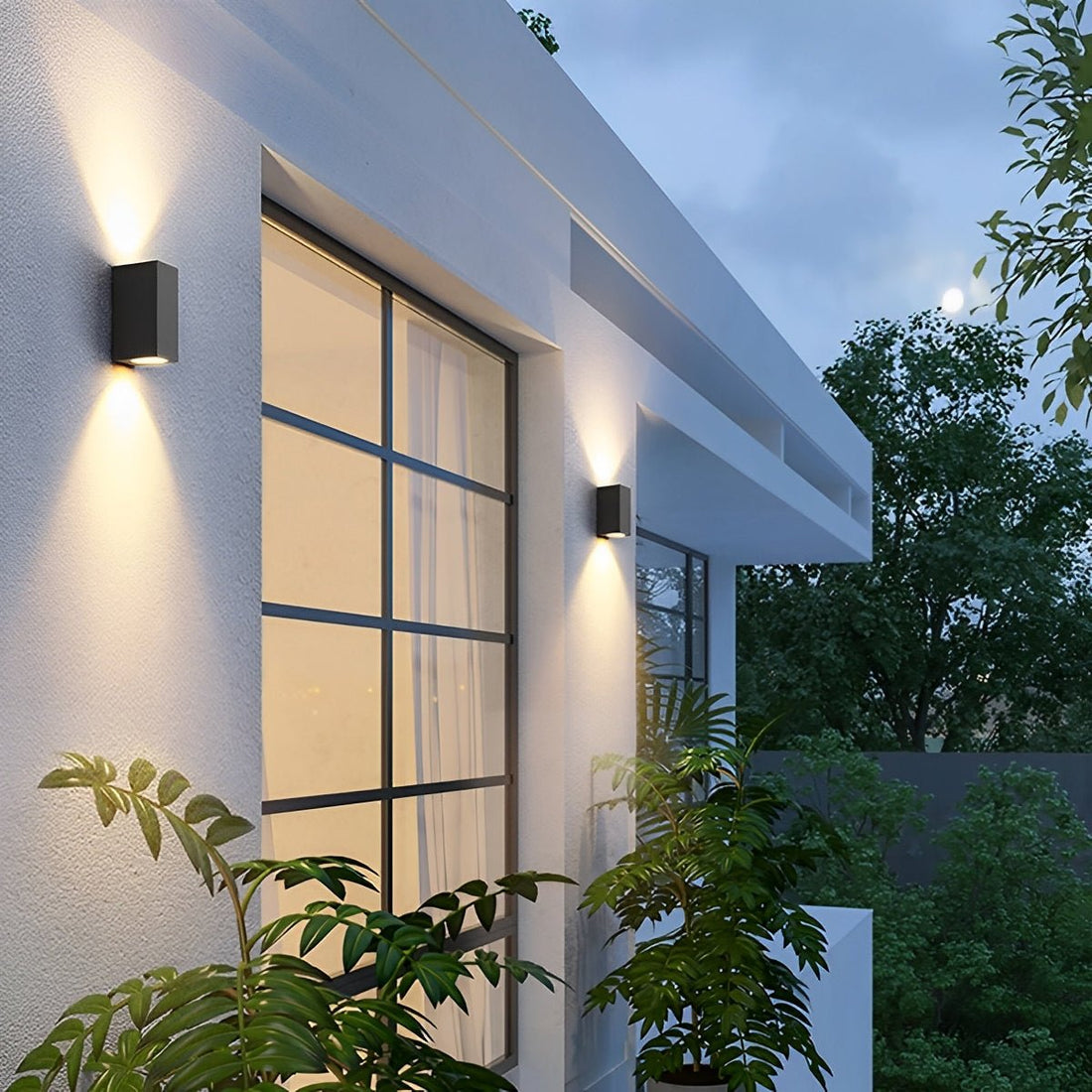 Modern Square Outdoor Waterproof Wall Washer Double Light
- Regular price
-
From
$67.99 - Regular price
-
$74.99 - Sale price
-
From
$67.99
-
Waterproof Outdoor LED Round Porch Light Exterior Wall Lights
 Waterproof Outdoor LED Round Porch Light Exterior Wall Lights
- Regular price
-
From
$95.99 - Regular price
-
$103.99 - Sale price
-
From
$95.99
-
Waterproof Vintage Horn Shape Outdoor LED Wall Lights
 Waterproof Vintage Horn Shape Outdoor LED Wall Lights
- Regular price
-
From
$165.99 - Regular price
-
$217.99 - Sale price
-
From
$165.99
-
Waterproof Modern Minimalist Bell LED Outdoor Wall Sconces
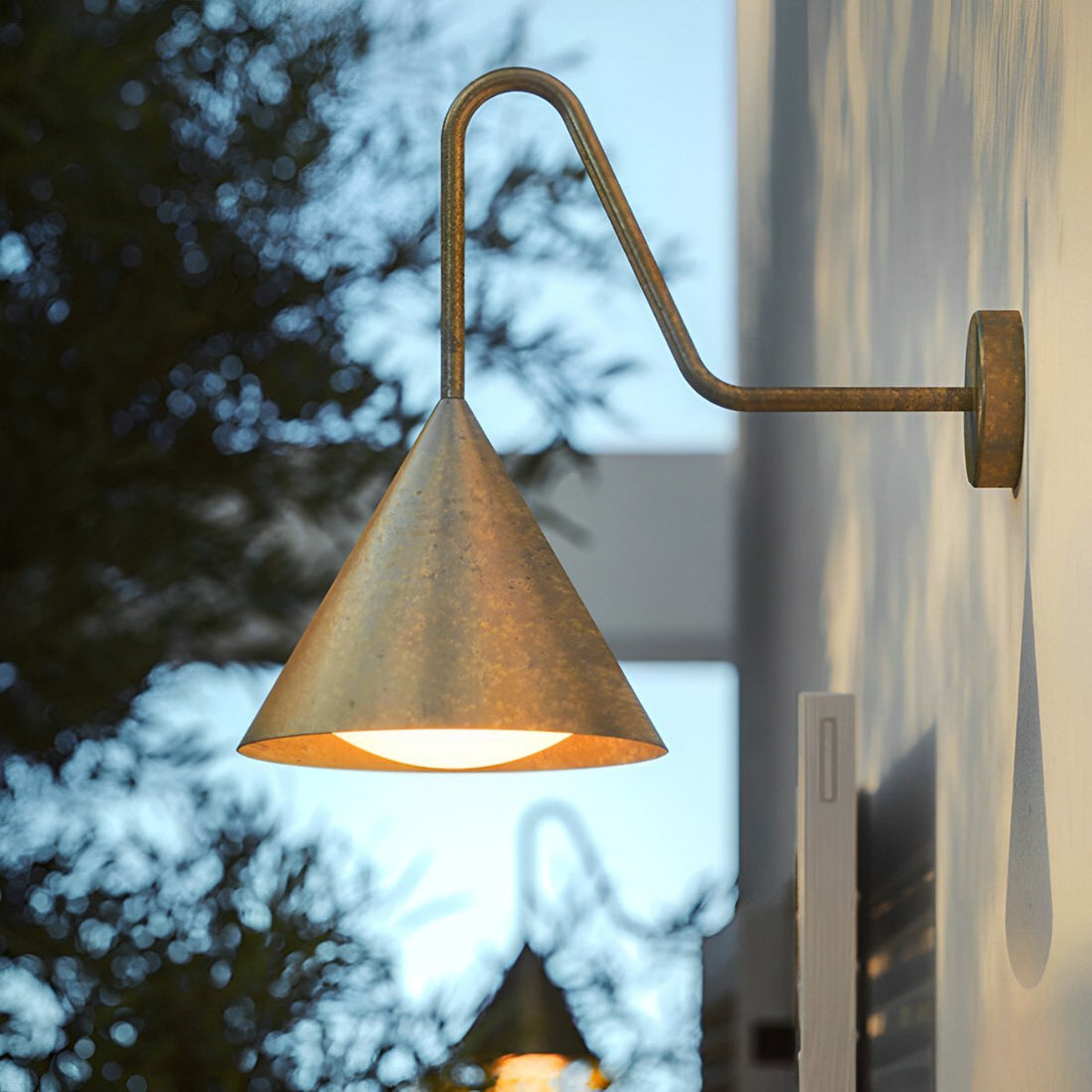 Waterproof Modern Minimalist Bell LED Outdoor Wall Sconces
- Regular price
-
From
$209.99 - Regular price
-
$279.99 - Sale price
-
From
$209.99
-
Vintage Industrial Iron Art LED Wall Sconces
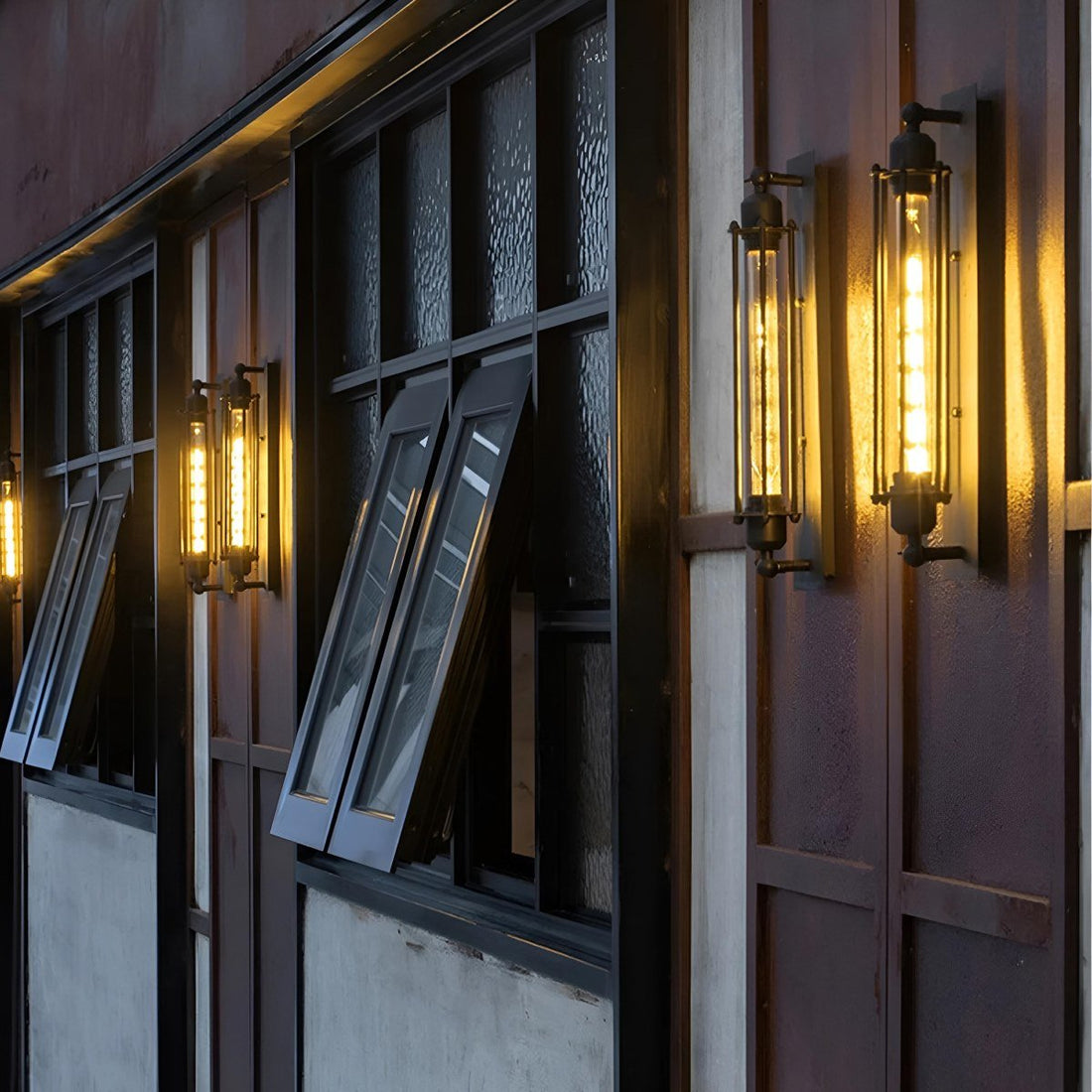 Vintage Industrial Iron Art LED Wall Sconces
- Regular price
-
From
$165.99 - Regular price
-
$190.99 - Sale price
-
From
$165.99
-
Solar Waterproof Outdoor LED Strip Porch Light Exterior Wall Lights
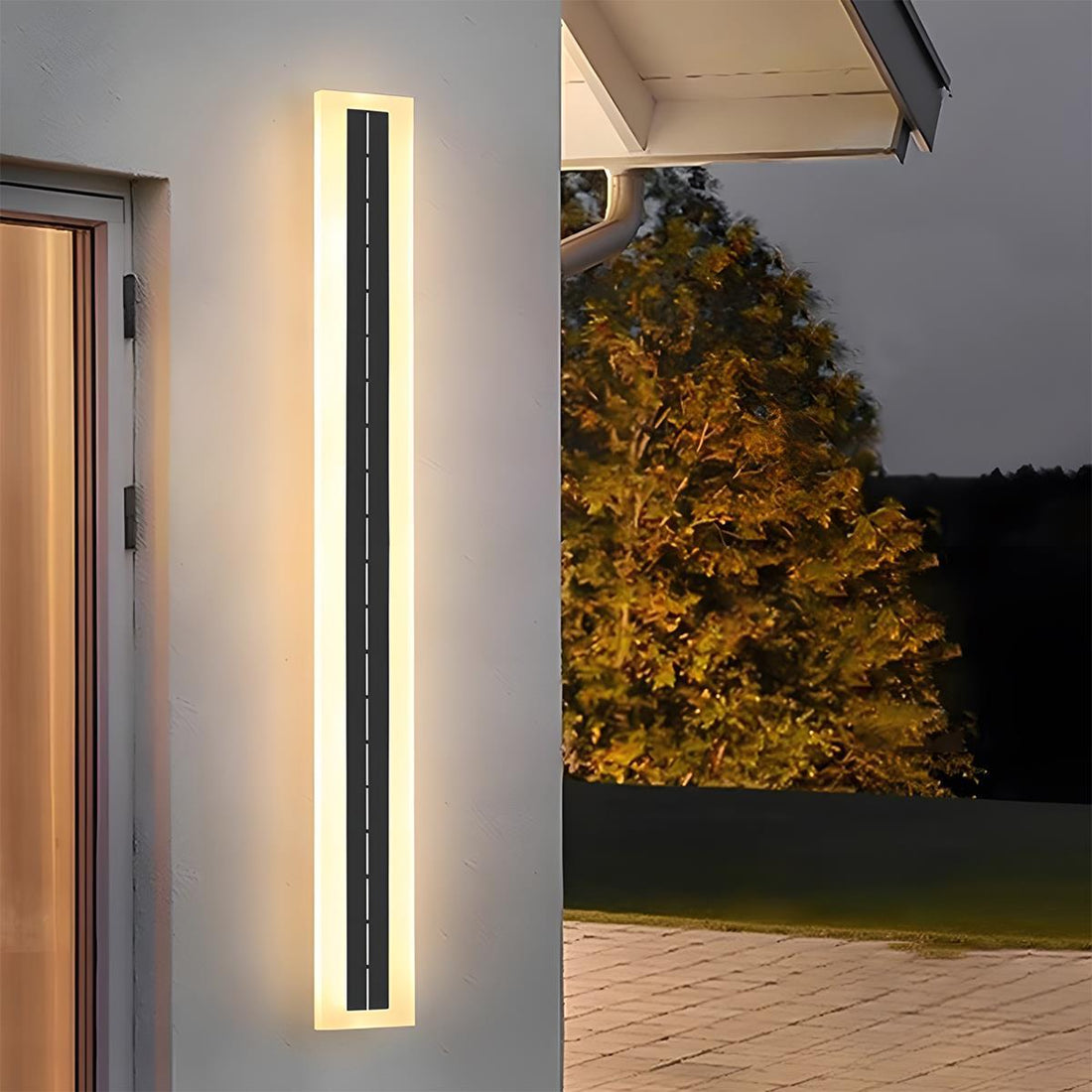 Solar Waterproof Outdoor LED Strip Porch Light Exterior Wall Lights
- Regular price
-
From
$149.99 - Regular price
-
$170.99 - Sale price
-
From
$149.99
-
Modern Minimalist Waterproof Black LED Outdoor Porch Wall Light
 Modern Minimalist Waterproof Black LED Outdoor Porch Wall Light
- Regular price
-
From
$73.99 - Regular price
-
$82.99 - Sale price
-
From
$73.99
-
Waterproof Modern Round Adjustable Angle Outdoor Porch LED Wall Lights
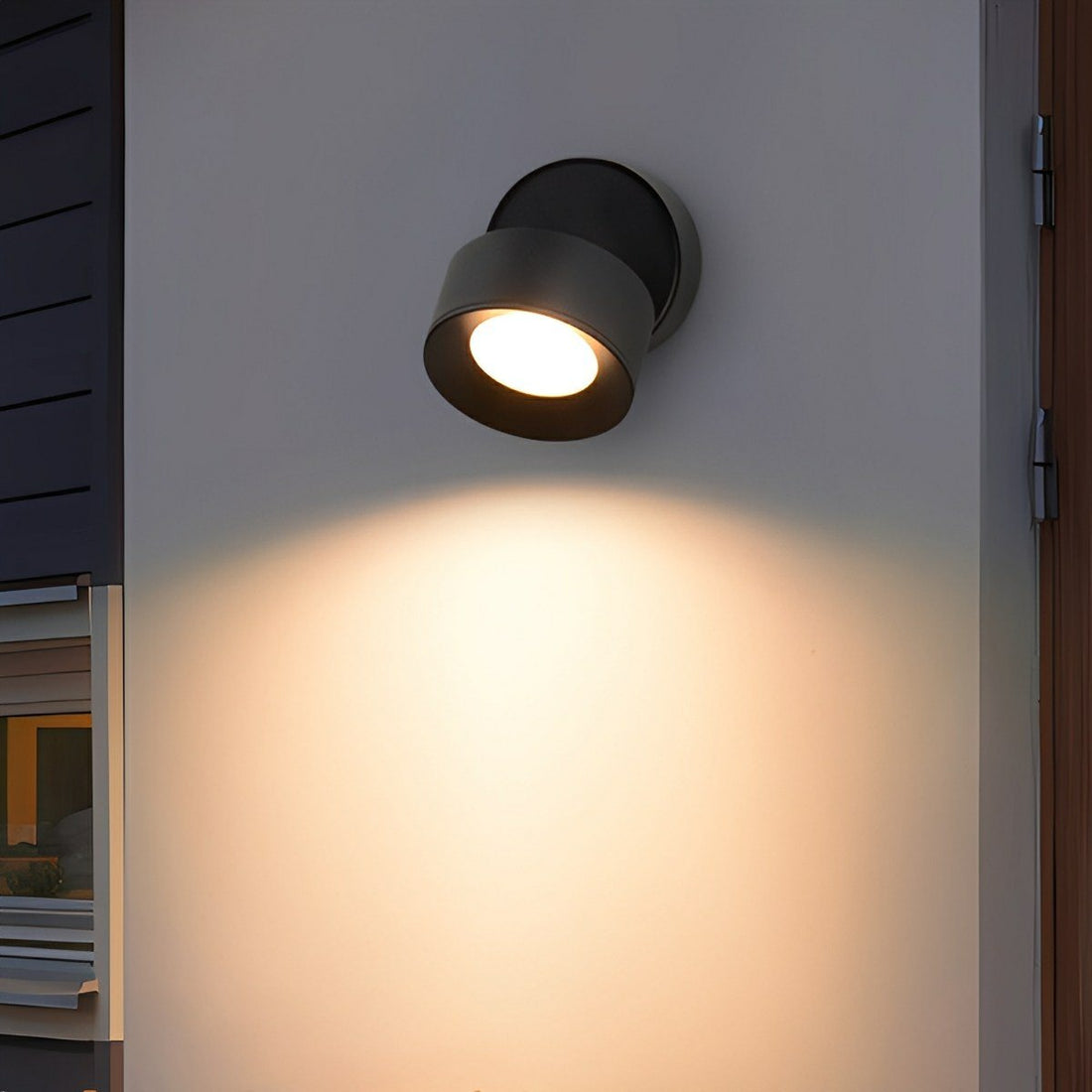 Waterproof Modern Round Adjustable Angle Outdoor Porch LED Wall Lights
- Regular price
-
From
$109.99 - Regular price
-
$133.99 - Sale price
-
From
$109.99
-
Vintage Waterproof Window Paper-cuts Outdoor LED Porch Light Exterior Wall Lights
 Vintage Waterproof Window Paper-cuts Outdoor LED Porch Light Exterior Wall Lights
- Regular price
-
From
$205.99 - Regular price
-
$253.99 - Sale price
-
From
$205.99
-
Rectangle Water Wave Waterproof Outdoor Porch LED Exterior Wall Lights
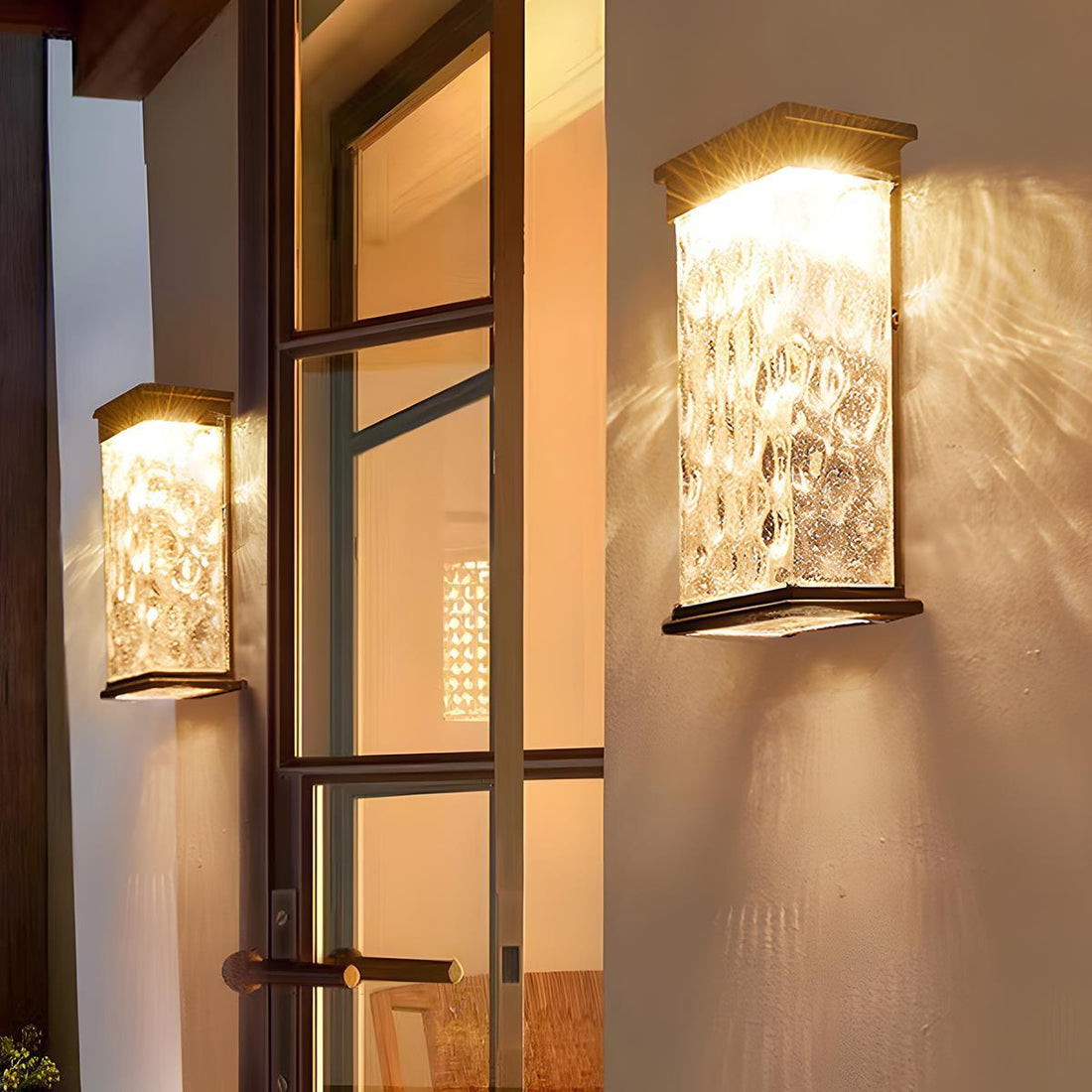 Rectangle Water Wave Waterproof Outdoor Porch LED Exterior Wall Lights
- Regular price
-
From
$163.99 - Regular price
-
$188.99 - Sale price
-
From
$163.99
-
Vintage Classic Waterproof Birdcage Outdoor LED Porch Wall Lights
 Vintage Classic Waterproof Birdcage Outdoor LED Porch Wall Lights
- Regular price
-
From
$148.99 - Regular price
-
$165.99 - Sale price
-
From
$148.99
-
Solar Waterproof Retro Striped Outdoor Wall Lights Sconce
 Solar Waterproof Retro Striped Outdoor Wall Lights Sconce
- Regular price
-
From
$186.99 - Regular price
-
$266.99 - Sale price
-
From
$186.99
-
Waterproof Aluminum Glass Ball Outdoor Chandelier Light Hanging Light
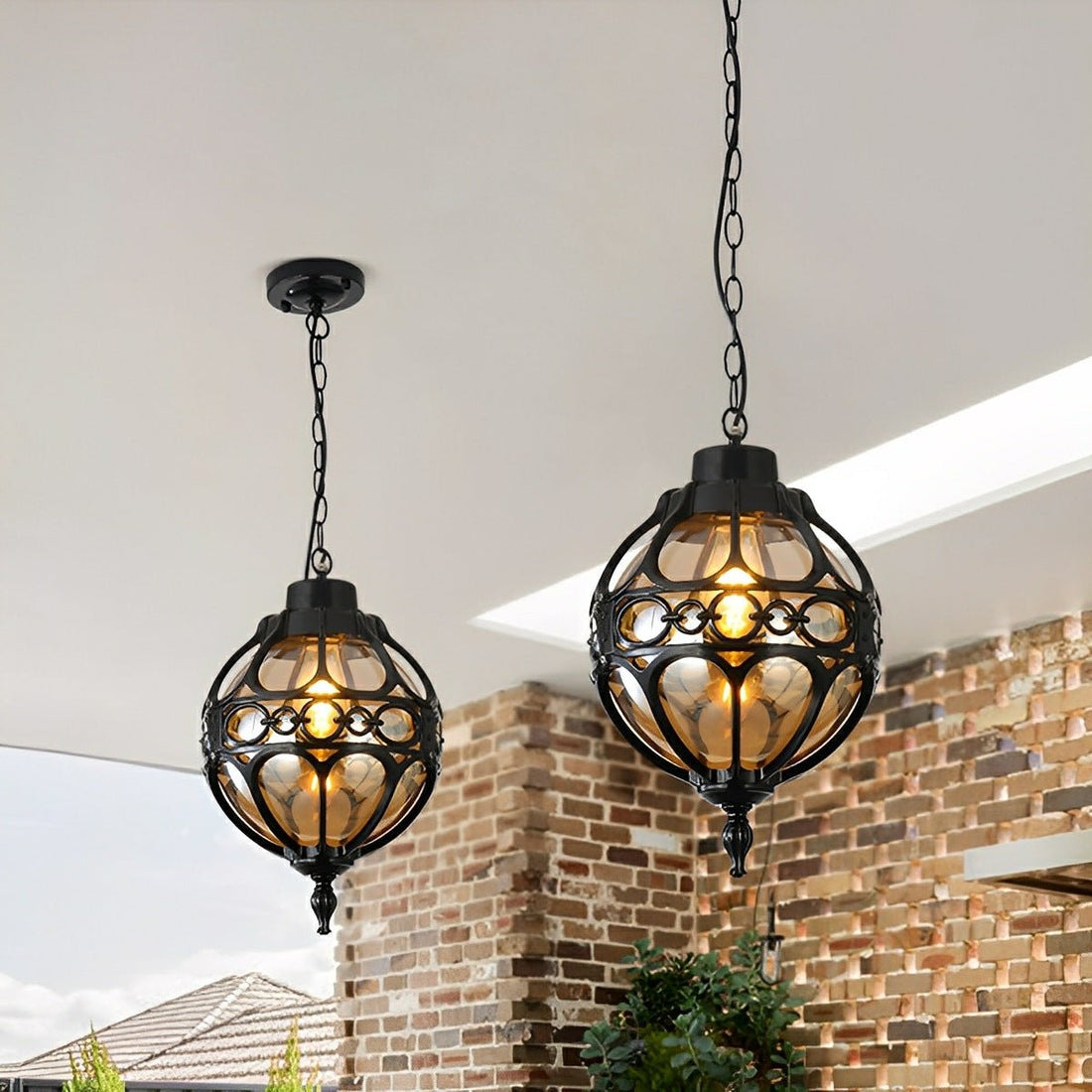 Waterproof Aluminum Glass Ball Outdoor Chandelier Light Hanging Light
- Regular price
-
From
$124.99 - Regular price
-
$138.99 - Sale price
-
From
$124.99
-
Waterproof Up and Down LED Outdoor Wall Sconces
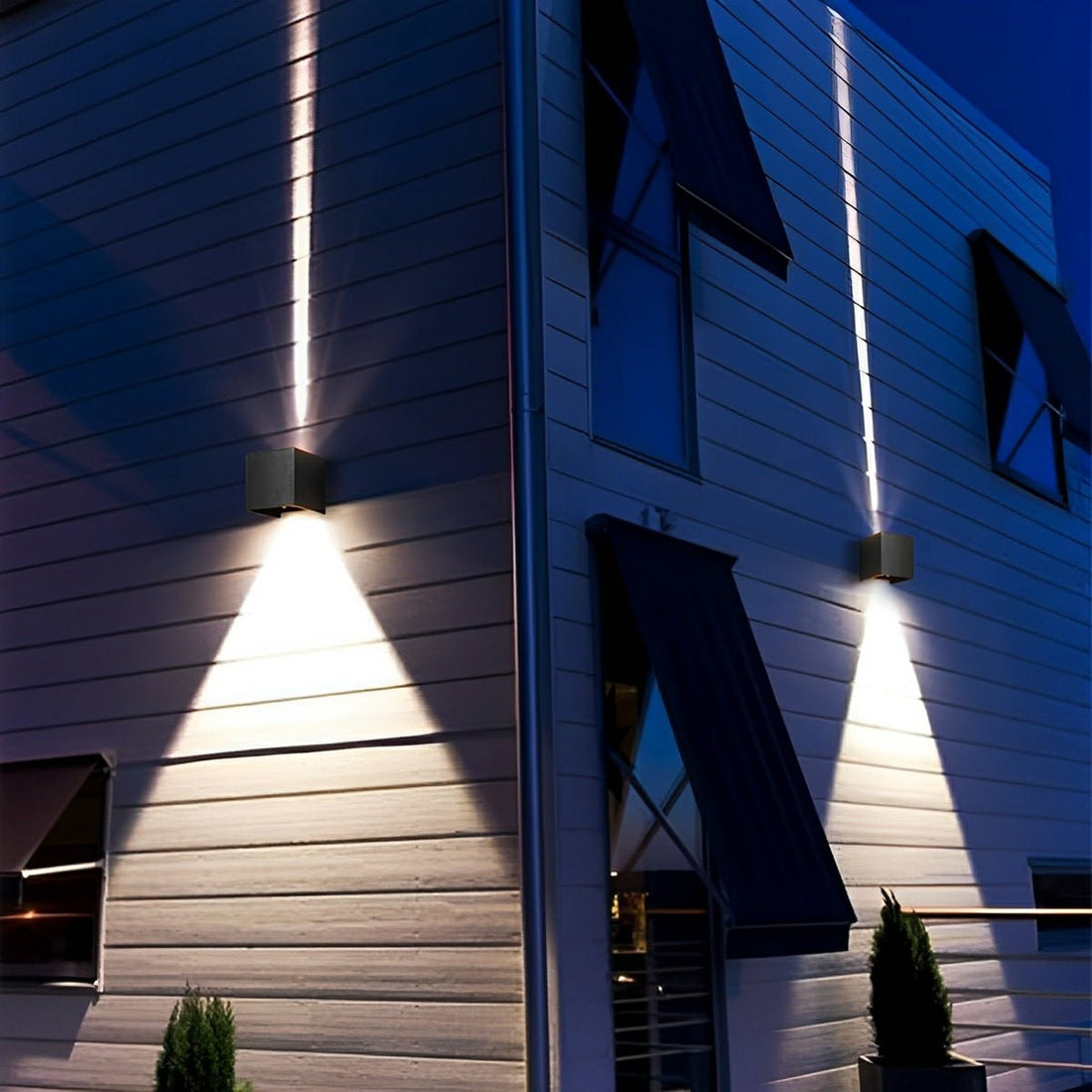 Waterproof Up and Down LED Outdoor Wall Sconces
- Regular price
-
From
$91.99 - Regular price
-
$130.99 - Sale price
-
From
$91.99
-
Outdoor Waterproof LED Ceiling Pendant Lights
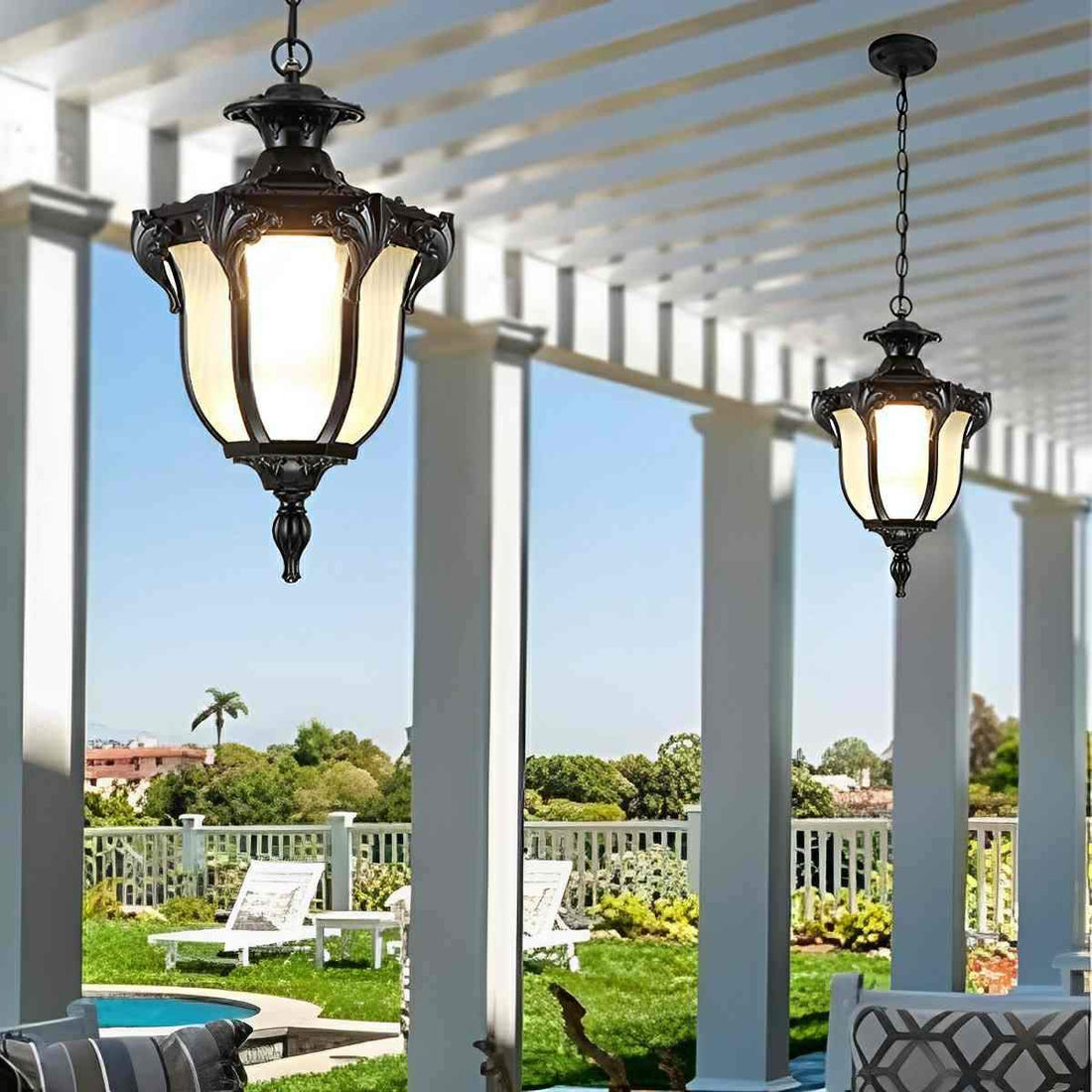 Outdoor Waterproof LED Ceiling Pendant Lights
- Regular price
-
From
$145.99 - Regular price
-
$171.99 - Sale price
-
From
$145.99


Choose Porch Lights That Fit Your Layout
Before comparing designs, consider the size and shape of your entrance. A small stoop and a deep covered porch have different lighting needs, even when they share the same architectural style.
| Porch layout | Lighting options to consider | Main planning priority |
|---|---|---|
| Small front stoop | One well-positioned wall fixture | Illuminate the lock, threshold, and immediate landing |
| Wide or double-door entrance | Coordinated wall fixtures on either side | Balance fixture proportions and combined light output |
| Covered porch with a low ceiling | A flush-mount or low-profile ceiling fixture | Maintain clearance while lighting the walking surface |
| Tall covered entrance | A hanging lantern or outdoor chandelier | Check the complete hanging length and door swing |
| Deep or wrap-around porch | Several fixtures serving separate areas | Light the entrance, walking route, and seating area where needed |
These are starting points, not fixed rules. The best arrangement depends on available mounting locations, the direction each fixture casts light, and any obstacles that create shadows.
Porch Wall Lighting
Porch wall lighting places illumination beside the entrance while keeping the ceiling clear. A single sconce can suit a compact doorway, while a pair of front porch lights can frame a wider entrance.
Explore outdoor wall lighting with your doorway’s proportions in mind. Look beyond the fixture’s height: its width, projection, and backplate dimensions also affect how it fits.
Common styles include:
- Framed lanterns for traditional and transitional entrances.
- Barn-inspired fixtures for farmhouse settings.
- Geometric sconces for contemporary homes.
- Shielded downlights that direct illumination toward the landing.
- Decorative designs that coordinate with door hardware and railings.
A porch lamp should fit comfortably beside the door without obstructing shutters, trim, house numbers, or a storm door. Also consider where the bulb will sit relative to eye level, especially when approaching from steps below the entrance.
Outside Porch Ceiling Lights
An outdoor porch ceiling light provides overhead illumination when wall space is limited or the covered area extends beyond the doorway. It can serve as the main light for a small porch or supplement wall fixtures on a larger one.
A flush-mount ceiling porch light sits close to the ceiling, making it a useful option where hanging clearance is limited. For a flat, understated appearance, compare low-profile designs and check their actual depth rather than relying on product photographs.
A semi-flush fixture projects farther from the ceiling. It may provide a more decorative appearance, but its installed height still needs to suit the available space.
When selecting an overhead porch light, check:
- The distance between the finished floor and the lowest part of the fixture.
- Clearance above an outward-opening door.
- The size and position of the ceiling canopy.
- Access for cleaning, bulb replacement, or servicing.
- Whether the fixture is approved for the conditions at that location.
Hanging Porch Lights
A hanging fixture can create a focal point above a taller covered entrance or porch seating area. Explore outdoor chandeliers when the space allows enough clearance and the individual product’s outdoor rating suits the installation.
Measure the complete assembly, including the canopy, chain or rod, and fixture body. The fixture’s listed body height alone does not tell you how far it will hang below the ceiling.
Position a hanging light around the area it needs to illuminate. Centering it over a doorway, seating group, or defined porch section may be more useful than centering it across the entire roof.
Check Weather Suitability Before Choosing a Design
An exterior porch light needs to suit the conditions at its exact mounting point. A covered entrance may offer shelter, but wind-driven rain can still reach fixtures near its edges.
Check the product’s location rating and installation instructions:
- Damp-location fixtures are intended for suitable sheltered locations where moisture may be present without direct water exposure, subject to the manufacturer’s instructions.
- Wet-location fixtures are intended for exposure to water under the conditions specified by the manufacturer.
- Indoor-only fixtures should not be assumed suitable for a porch simply because it has a roof.
Review mounting orientation, required clearances, and any restrictions on installation. For coastal or demanding environments, check the stated materials, finish warranty, and maintenance guidance.
The light source matters, too. A replaceable bulb must be appropriate for outdoor use and, where applicable, for operation inside an enclosed fixture. The fixture’s outdoor rating does not automatically make every bulb suitable.
Choose Comfortable Brightness and Color Temperature
Good outdoor porch lighting helps you see the entrance clearly without creating a harsh bright spot. Consider light output, distribution, and color together.
Use Lumens to Compare Brightness
Lumens describe light output; watts describe electricity consumption. When choosing an LED porch light, compare lumens rather than assuming a higher wattage is necessary for useful illumination.
| Familiar incandescent reference | Approximate light output |
|---|---|
| 40-watt bulb | 450 lumens |
| 60-watt bulb | 800 lumens |
| 75-watt bulb | 1,100 lumens |
| 100-watt bulb | 1,600 lumens |
These figures help compare bulbs. They are not brightness requirements for every porch.
A small entrance may need less total output than a wide porch with several steps. However, adding more lumens will not necessarily solve poor placement. A bright fixture beside the door can still leave a recessed threshold or distant step in shadow.
Consider:
- The combined output of all fixtures operating together.
- Whether light reaches the lock, landing, and walking route.
- How much light the shade or housing directs downward.
- Whether an exposed bulb creates glare from the approach.
- Whether neighboring windows receive unwanted light.
Compare Warm-White Options
For a welcoming residential entrance, 2700K–3000K is a useful starting range. These warm-white options generally create a softer appearance than cooler daylight-colored bulbs.
Color temperature does not measure brightness. If you need more illumination, compare lumens and light distribution before changing to a cooler color.
When your porch, garage, and pathway are visible together, similar color temperatures can help the arrangement feel consistent. Check the numerical Kelvin rating because descriptions such as “warm white” and “soft white” can vary between products.
Consider the Glass and Shade
The fixture’s glass and shade influence how the light feels:
- Clear glass leaves the bulb visible, making its appearance and brightness more noticeable.
- Frosted or diffusing glass softens the appearance of the light source.
- Opaque shades and shielded housings can help direct illumination toward a specific area.
Evaluate the fixture from the walkway as well as from the porch. A light that looks comfortable beside the door may appear glaring when viewed from a lower approach.
Compare Light Sources, Power Options, and Controls
LED, solar, and motion-sensor descriptions refer to different features. An LED fixture may be hardwired or solar-powered, and either design may include automatic controls. Check each feature separately.
Replaceable Bulbs or Integrated LEDs
An outdoor porch light fixture with a replaceable bulb allows you to change the light output or color temperature later, within the fixture’s specifications.
Before buying a porch light bulb, check:
- The required bulb base.
- Available space inside the fixture.
- Maximum permitted actual wattage.
- Outdoor-use suitability.
- Enclosed-fixture compatibility.
- Compatibility with dimmers, sensors, or smart controls.
An integrated LED fixture has its light source built into the design. Review its stated brightness, color temperature, warranty, and serviceability before purchasing. Do not assume the LED module can be replaced like a standard bulb.
For either format, distinguish actual wattage from incandescent-equivalent wattage. A bulb described as “60-watt equivalent” does not necessarily consume 60 watts.
Solar Porch Lights
A solar porch light may be useful where adding wiring is impractical. Its suitability depends on whether the panel can receive enough sunlight at the proposed location.
A deeply covered porch can create a mismatch: the best position for the light may be shaded for much of the day. A design with a separate solar panel may offer more placement flexibility, subject to its cable length and installation requirements.
When comparing solar outdoor wall lights, review:
- Panel placement and sunlight requirements.
- Stated brightness in each operating mode.
- Expected runtime and the conditions used to measure it.
- Battery maintenance or replacement information.
- Whether the light operates continuously, on motion, or in a combined mode.
Consider seasonal shade and shorter days as well as summer conditions. Solar performance depends on available charging conditions, so assess the location before choosing the fixture.
Automatic Controls
Choose controls around how your household uses the entrance.
| Control | Typical function | What to check |
|---|---|---|
| Motion sensor | Switches on or increases output when movement is detected | Detection area, sensitivity, duration, and unwanted activation |
| Dusk-to-dawn photocell | Responds to surrounding light levels | Sensor placement and interference from nearby lights |
| Timer or scheduling control | Operates during selected periods | Schedule flexibility and seasonal adjustments |
| Combined controls | Uses multiple operating modes | The exact behavior available in each mode |
For example, a dusk-to-dawn function may keep a light operating throughout the night, while a motion-controlled setting may provide illumination only when someone approaches. Some fixtures combine low background output with a brighter motion setting, but this must be confirmed in the product specifications.
Match the Style, Scale, and Finish to Your Home
A decorative porch light should complement the entrance in daylight as well as after sunset. Its proportions often matter as much as its finish.
| Home style | Designs to consider | Details to coordinate |
|---|---|---|
| Modern | Geometric sconces, cylinders, flat-profile ceiling fixtures | Clean lines, simple door hardware, restrained finishes |
| Farmhouse | Barn-inspired shades and uncomplicated lanterns | Beams, railings, and door hardware |
| Traditional | Framed lanterns and classic hanging fixtures | Door proportions, columns, and architectural trim |
| Transitional | Streamlined lanterns with minimal ornament | Traditional shapes with simpler detailing |
| Coastal-inspired | Simple forms with materials suited to the setting | Corrosion guidance, finish care, and maintenance needs |
For a modern porch light, explore modern outdoor wall lights and compare their shapes against the lines of your door, windows, and siding.
Before ordering, mark the proposed fixture outline with removable tape or a cardboard template. View it from the street, walkway, and doorway. This helps reveal whether it looks too small, dominates the wall, or crowds nearby details.
Finish names do not always describe the underlying material. “Bronze,” for example, may refer to color rather than solid-bronze construction. Check the stated material and coating separately.
Plan Outside Porch Lights Around Everyday Use
A useful lighting plan follows the way people move through the space. Choose house porch lights for specific tasks, then assess how they work together.
Illuminate the Doorway
Make sure the main fixture helps you locate the lock or keypad, see the threshold, and stand comfortably at the entrance. Check whether the door frame, a column, or the fixture’s own housing blocks light from these areas.
Light Steps and Changes in Level
A bright doorway does not guarantee visible steps. Where the main fixture cannot reach, consider dedicated step lights positioned to make changes in level easier to distinguish.
Avoid aiming light directly toward someone approaching the stairs. The walking surface should be visible without an exposed source dominating the view.
Connect the Porch to the Approach
For a longer walkway, outdoor bollard lights may help define the route where their scale and light distribution suit the setting.
Use landscape lighting selectively beyond the entrance. Each additional fixture should serve a clear purpose, such as illuminating a turn in the path or a useful landmark.
Give Seating Areas Their Own Lighting
A deep porch used for conversation or relaxing may benefit from a separate light near the seating area. This allows the doorway and seating area to be lit according to their different needs.
Where supported, separate switching or compatible dimming can provide flexibility without requiring every fixture to operate at full brightness.
Review the Result After Dark
Once the lighting is installed, assess it from both the porch and the approach. Look for glare, dark gaps, reflections, and spill into neighboring windows.
Adjust supported settings, aiming, or compatible bulbs as needed. Do not exceed the fixture’s limits to compensate for an unsuitable location.
Complete Your Porch Lighting Plan
When choosing a porch light for home use, confirm the practical requirements before settling on a finish.
Use this checklist before ordering:
- Location: Wall, ceiling, or hanging installation.
- Exposure: Appropriate rating for moisture and rain at the mounting point.
- Dimensions: Fixture size, projection, canopy or backplate, and installed hanging length.
- Light output: Suitable lumens and distribution for the area.
- Color temperature: A consistent appearance across nearby fixtures.
- Light source: Replaceable bulb or integrated LED.
- Power and controls: Compatible wiring, solar conditions, sensors, timers, or dimmers.
- Maintenance: Access for cleaning and any replaceable components.
Explore the wider outdoor lighting collection for complementary fixtures. You can also coordinate shapes or finishes with your interior entryway and foyer lighting to create a consistent transition through the front door.