
Wall Washer Light
FlyAchilles wall washer lights bring walls and architectural details into focus, helping create inviting, beautifully illuminated spaces. The collection ranges from linear LED fixtures and outdoor architectural spotlights to recessed in-ground lights and up-and-down wall lights. With white-light, colored-light, solar-powered, and DC24V options available across selected models, FlyAchilles offers a variety of lighting effects and installation choices to suit your project.


-
3D Dynamic Wave LED Strip Waterproof Outdoor Wall Washer Lights DC24V 42.91''
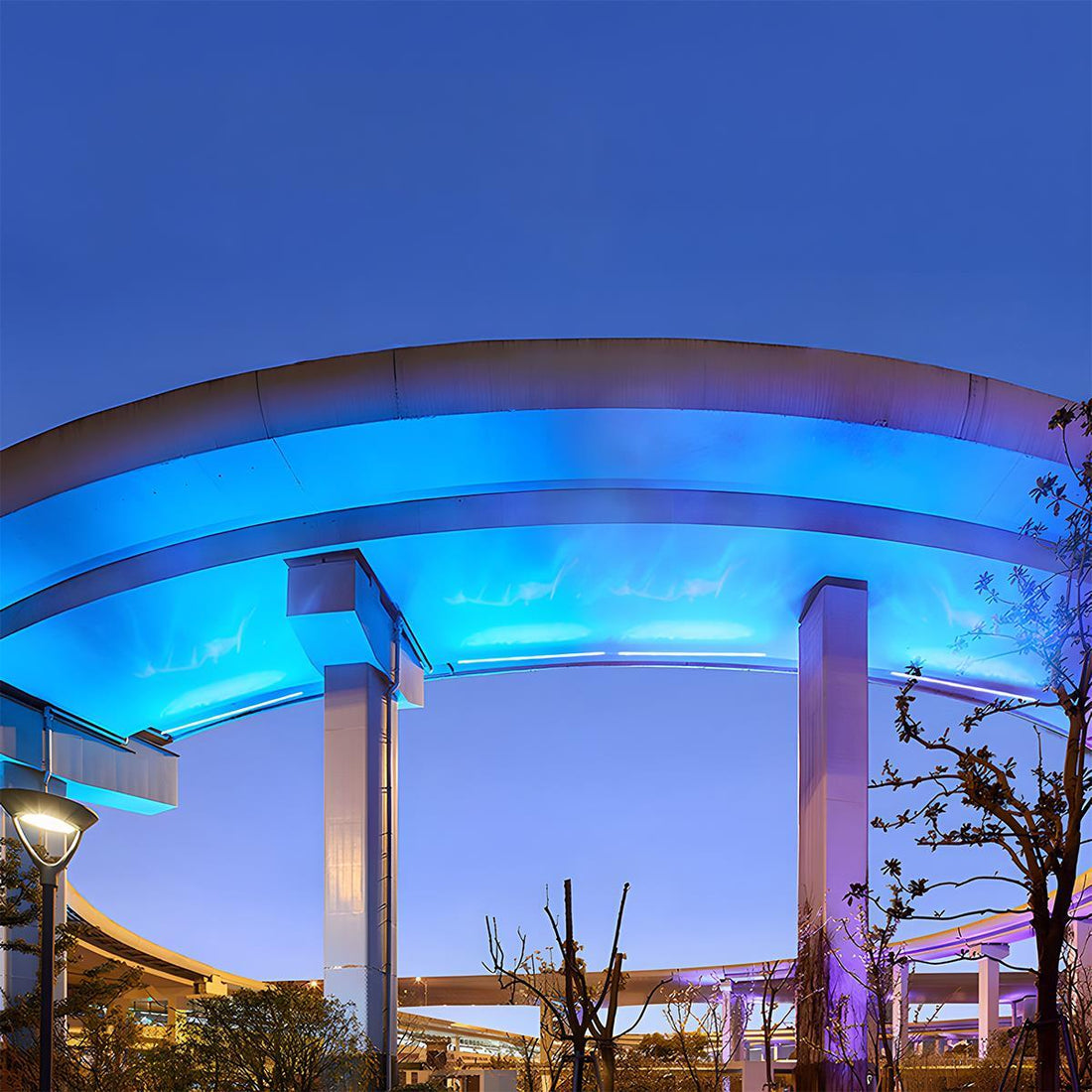 3D Dynamic Wave LED Strip Waterproof Outdoor Wall Washer Lights DC24V 42.91''
- Regular price
-
From
$261.99 - Regular price
-
$345.99 - Sale price
-
From
$261.99
-
Cylinder Waterproof Outdoor Up and Down LED Exterior Wall Lights Spotlight
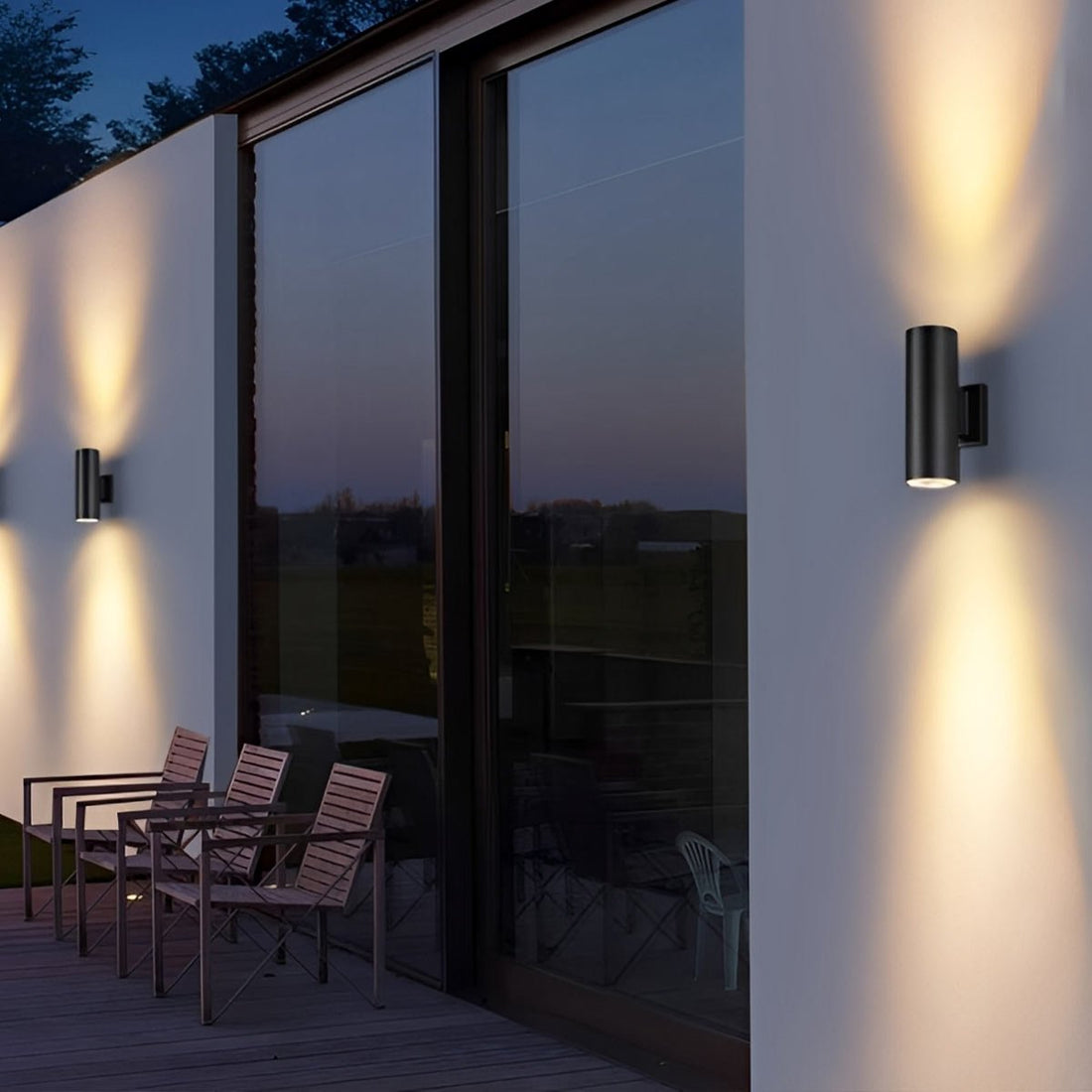 Cylinder Waterproof Outdoor Up and Down LED Exterior Wall Lights Spotlight
- Regular price
-
From
$120.99 - Regular price
-
$172.99 - Sale price
-
From
$120.99
-
DC24V Low Voltage Outdoor In-Ground LED Waterproof Wall Washer Lights 39.37''
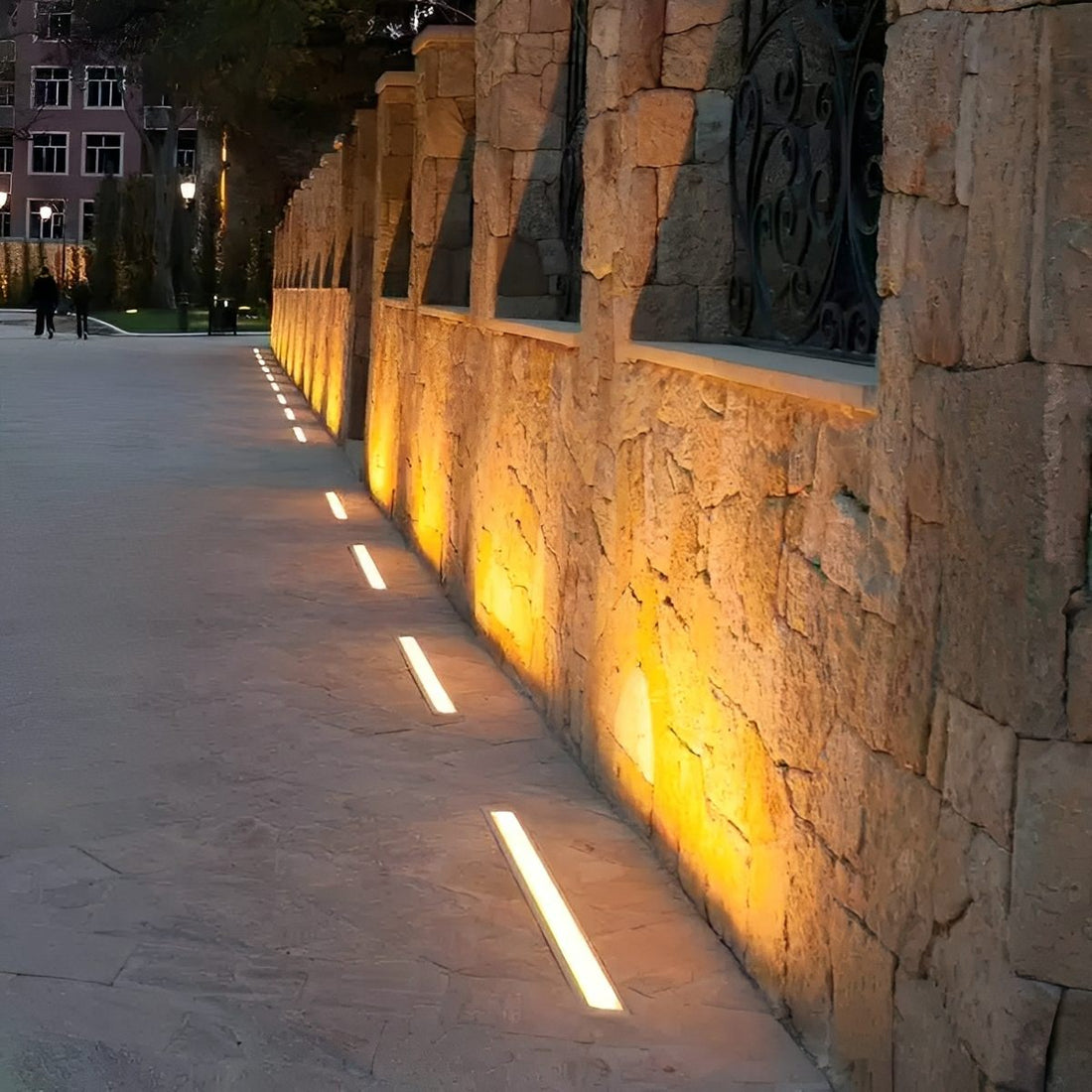 DC24V Low Voltage Outdoor In-Ground LED Waterproof Wall Washer Lights 39.37''
- Regular price
-
From
$214.99 - Regular price
-
$258.99 - Sale price
-
From
$214.99
-
DC24V Low Voltage Waterproof Outdoor LED Wall Washer Lights 39.37''
 DC24V Low Voltage Waterproof Outdoor LED Wall Washer Lights 39.37''
- Regular price
-
$134.99 $210.99 - Regular price
-
- Sale price
-
$134.99 $210.99
-
High Power LED Outdoor Wall Washer Light Architectural Spotlight
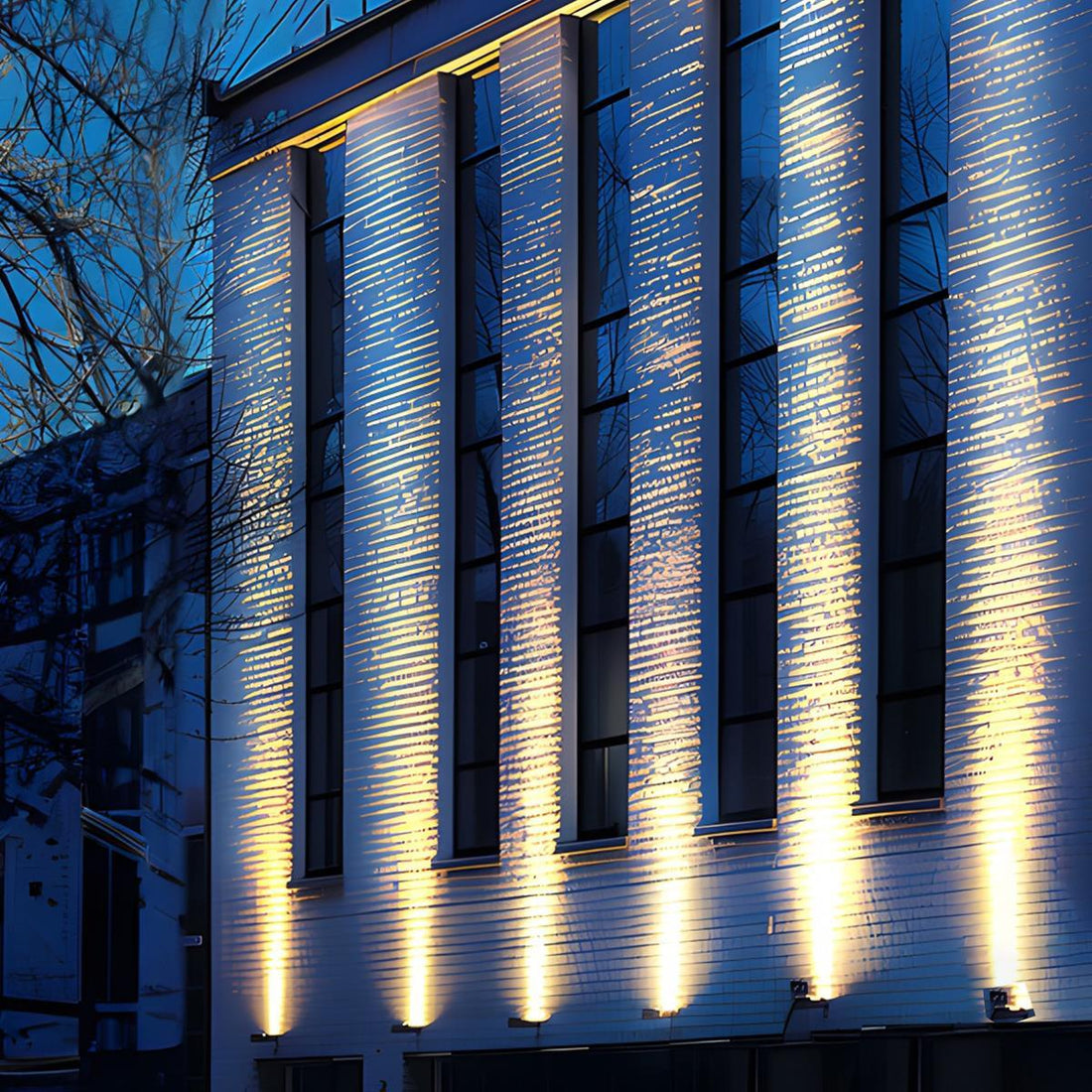 High Power LED Outdoor Wall Washer Light Architectural Spotlight
- Regular price
-
From
$125.99 - Regular price
-
$147.99 - Sale price
-
From
$125.99
-
Low Voltage Waterproof Outdoor Recessed LED Wall Washer Lights RGB Dimmable DC24V 39.37''
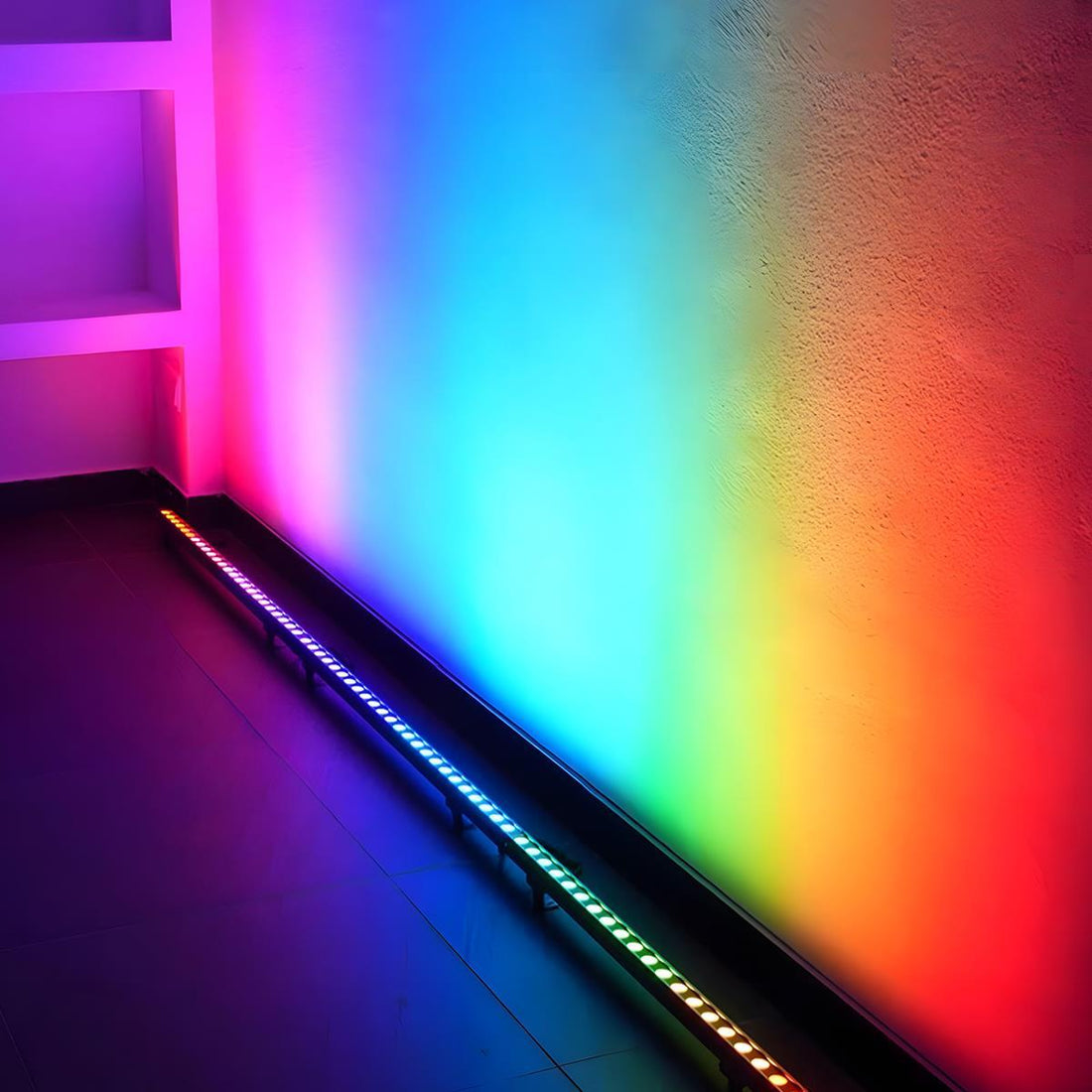 Low Voltage Waterproof Outdoor Recessed LED Wall Washer Lights RGB Dimmable DC24V 39.37''
- Regular price
-
From
$207.99 - Regular price
-
$241.99 - Sale price
-
From
$207.99
-
Modern Square Outdoor Waterproof Wall Washer Double Light
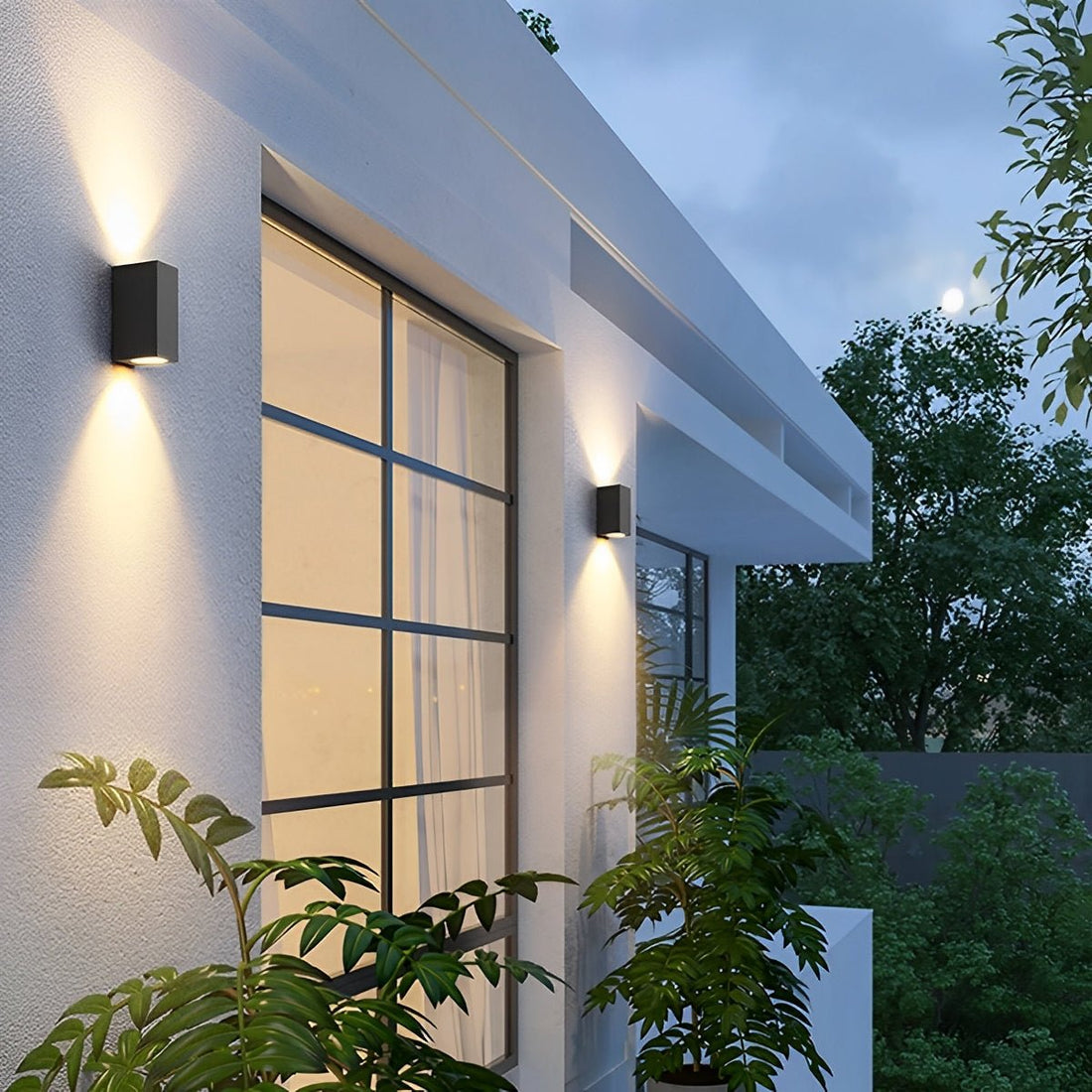 Modern Square Outdoor Waterproof Wall Washer Double Light
- Regular price
-
From
$67.99 - Regular price
-
$74.99 - Sale price
-
From
$67.99
-
Outdoor Waterproof LED Spot Lights Wall Washer
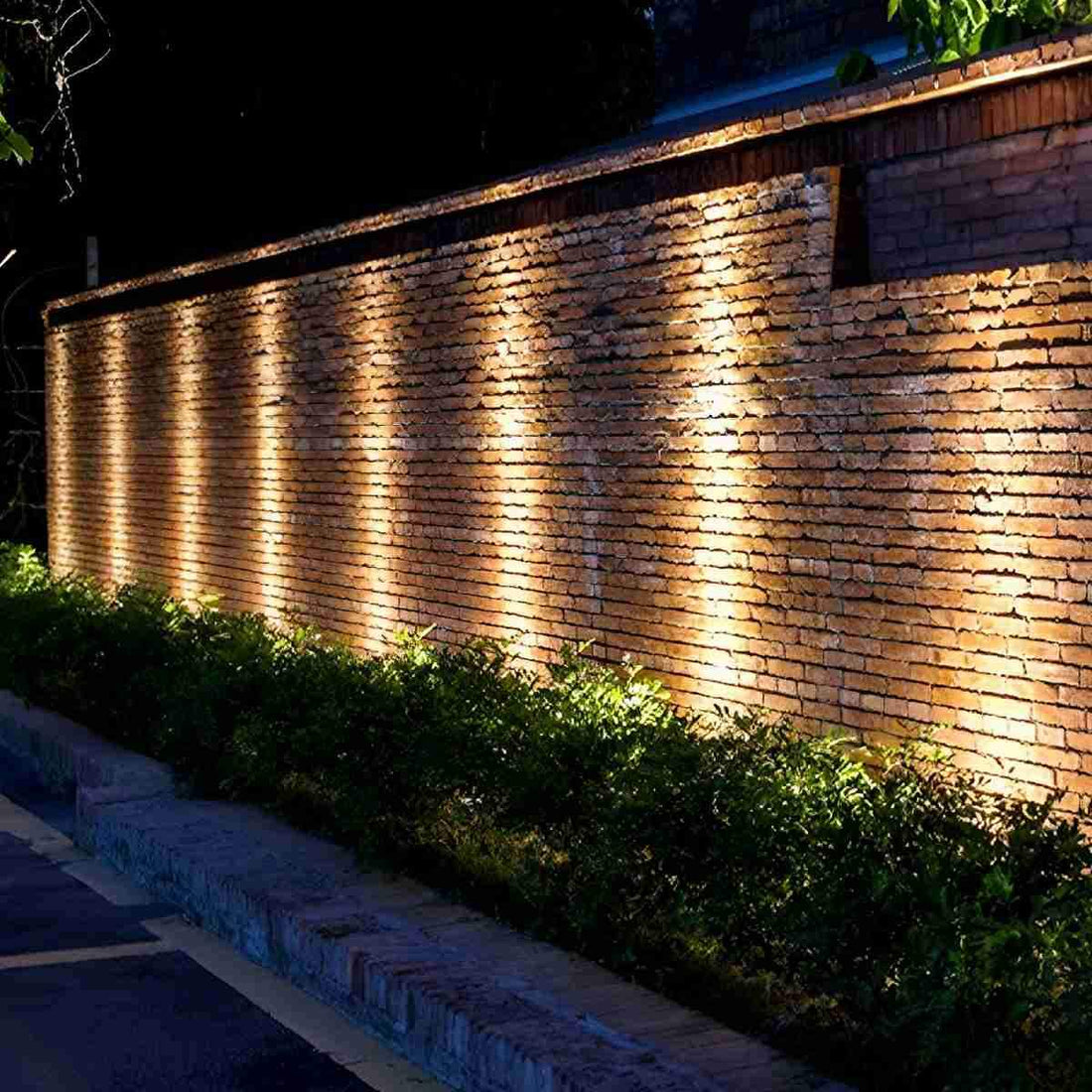 Outdoor Waterproof LED Spot Lights Wall Washer
- Regular price
-
$161.99 $1,165.99 - Regular price
-
- Sale price
-
$161.99 $1,165.99
-
Rectangular Waterproof Up Down Aluminium Adjustable Led Wall Washer Lights
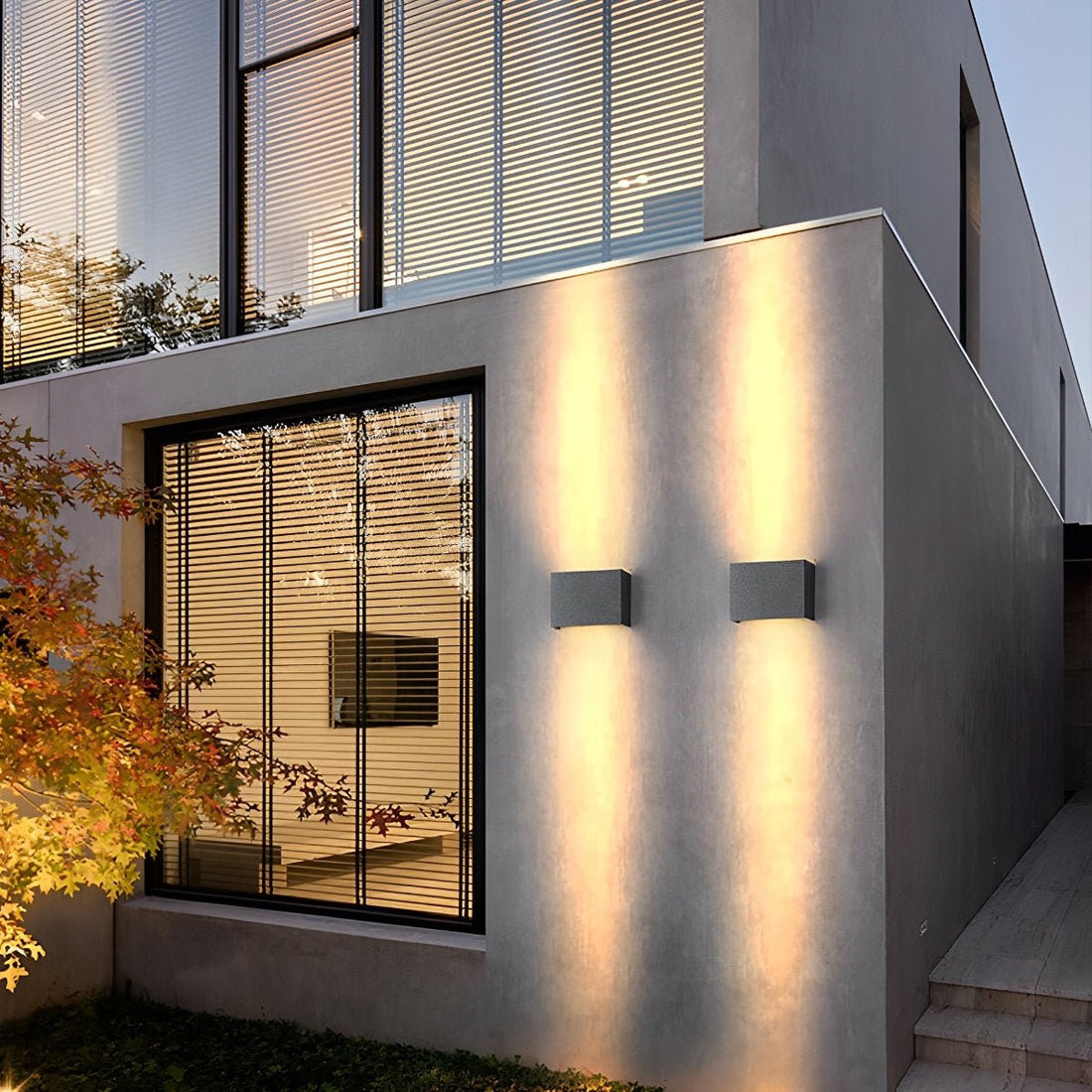 Rectangular Waterproof Up Down Aluminium Adjustable Led Wall Washer Lights
- Regular price
-
From
$228.99 - Regular price
-
$293.99 - Sale price
-
From
$228.99
-
Round Outdoor LED In-Ground Lights Landscape Lights Wall Washer Lights
 Round Outdoor LED In-Ground Lights Landscape Lights Wall Washer Lights
- Regular price
-
From
$211.99 - Regular price
-
$302.99 - Sale price
-
From
$211.99
-
Round Waterproof Outdoor LED Spot Lights Building Exterior Light
 Round Waterproof Outdoor LED Spot Lights Building Exterior Light
- Regular price
-
From
$170.99 - Regular price
-
$243.99 - Sale price
-
From
$170.99
-
Round Waterproof Outdoor LED Spot Lights Exterior Wall Washer Light
 Round Waterproof Outdoor LED Spot Lights Exterior Wall Washer Light
- Regular price
-
From
$128.99 - Regular price
-
$160.99 - Sale price
-
From
$128.99
-
Solar Waterproof Modern Black Up&Down LED Outdoor Wall Washer Spot Lights
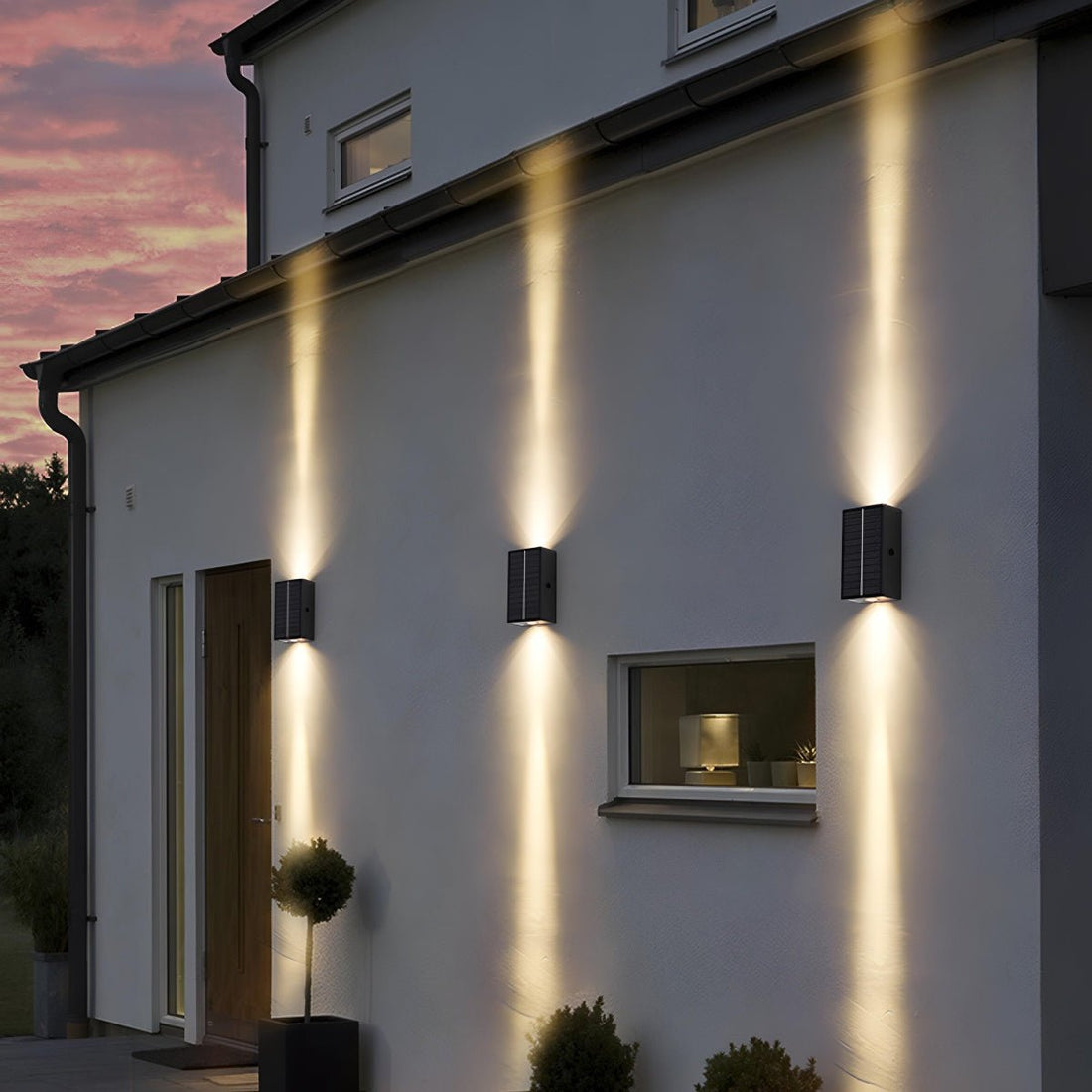 Solar Waterproof Modern Black Up&Down LED Outdoor Wall Washer Spot Lights
- Regular price
-
From
$174.99 - Regular price
-
$268.98 - Sale price
-
From
$174.99
-
Solar Waterproof Modern Down LED Outdoor Wall Washer Light
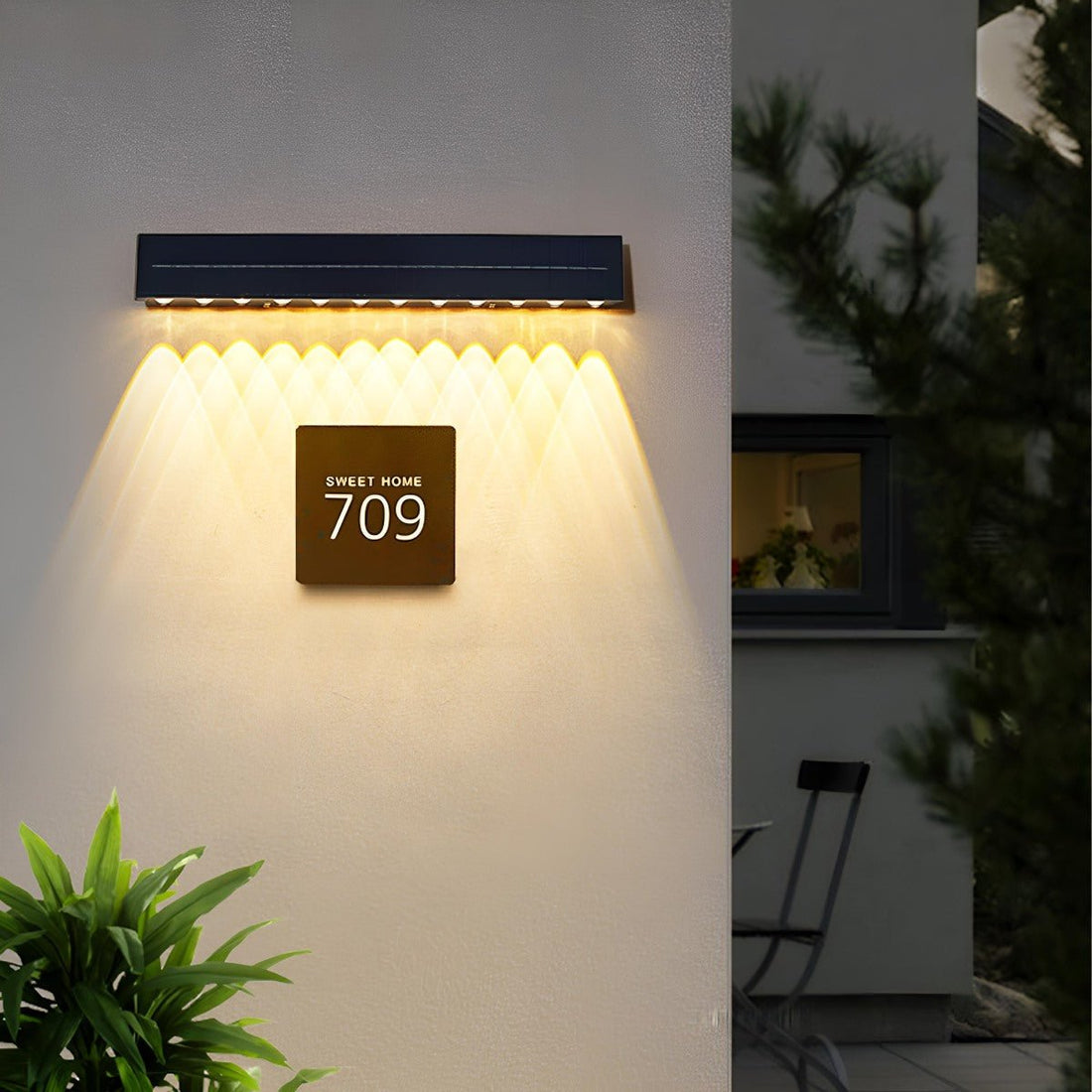 Solar Waterproof Modern Down LED Outdoor Wall Washer Light
- Regular price
-
From
$171.99 - Regular price
-
$192.99 - Sale price
-
From
$171.99
-
Solar Waterproof Modern LED Outdoor Wall Washer Lights
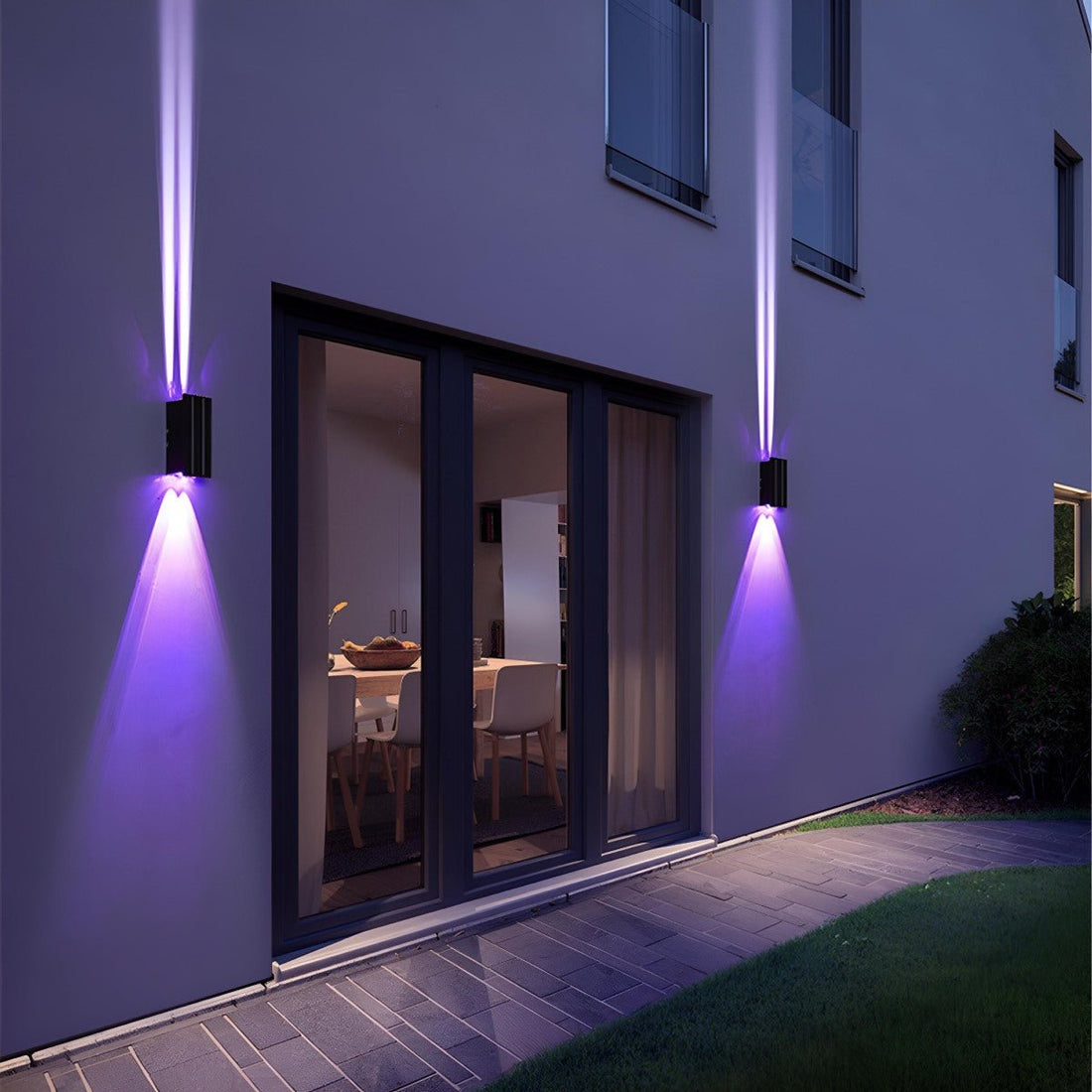 Solar Waterproof Modern LED Outdoor Wall Washer Lights
- Regular price
-
From
$148.99 - Regular price
-
$161.99 - Sale price
-
From
$148.99
-
Square Waterproof Outdoor LED Spot Lights Building Exterior Light
 Square Waterproof Outdoor LED Spot Lights Building Exterior Light
- Regular price
-
$111.99 $211.99 - Regular price
-
- Sale price
-
$111.99 $211.99
-
Square Waterproof Outdoor LED Spot Lights Exterior Wall Washer Light
 Square Waterproof Outdoor LED Spot Lights Exterior Wall Washer Light
- Regular price
-
From
$57.99 - Regular price
-
$82.99 - Sale price
-
From
$57.99
-
Square Waterproof Outdoor Up and Down LED Spot Lights Exterior Wall Washer Light
 Square Waterproof Outdoor Up and Down LED Spot Lights Exterior Wall Washer Light
- Regular price
-
From
$233.99 - Regular price
-
$333.99 - Sale price
-
From
$233.99
-
Waterproof LED Wall Washer Light DC24V – Outdoor Architectural Facade Lighting
 Waterproof LED Wall Washer Light DC24V – Outdoor Architectural Facade Lighting
- Regular price
-
From
$97.99 - Regular price
-
$138.99 - Sale price
-
From
$97.99
-
Waterproof Modern Rectangular Up&Down LED Outdoor Wall Washer Lights
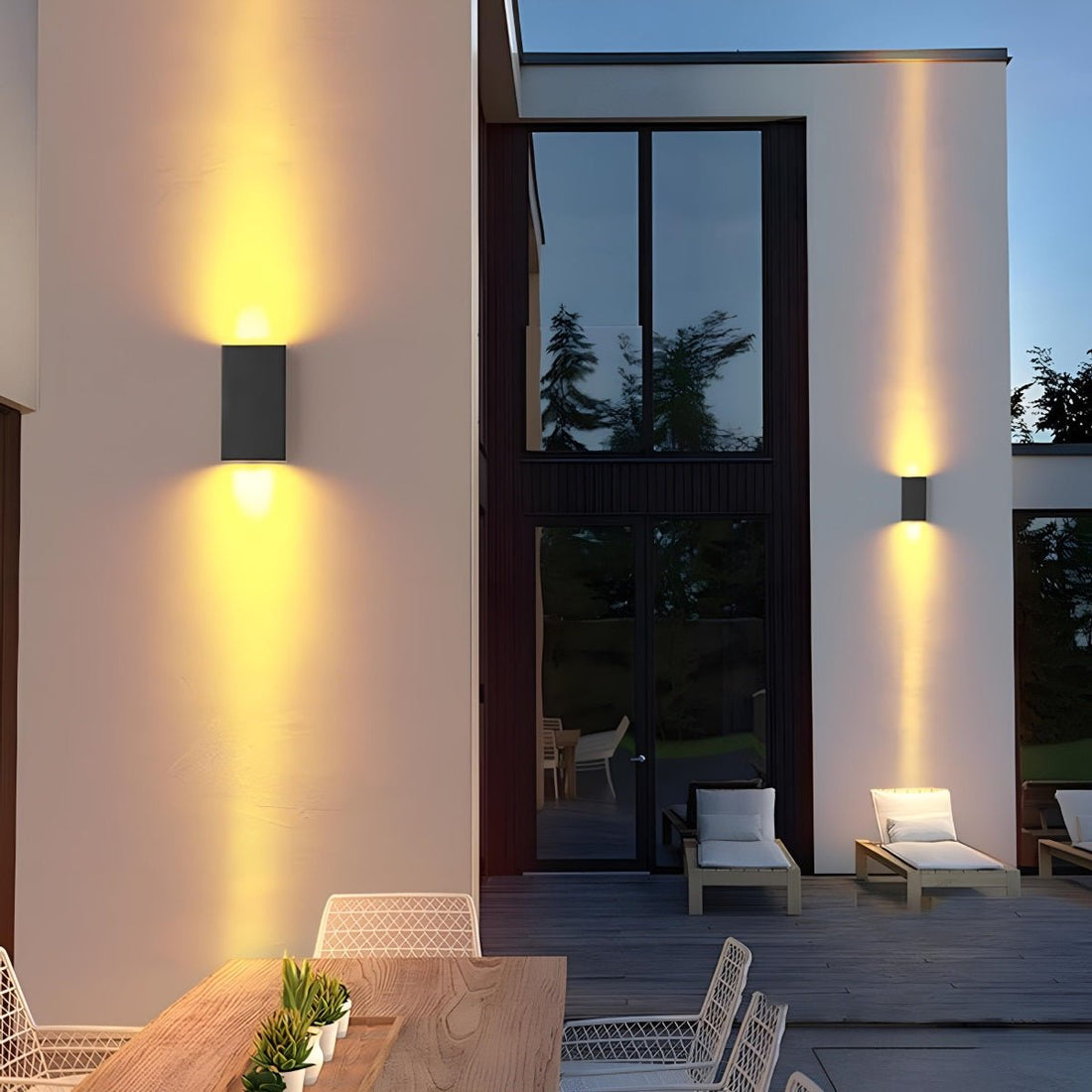 Waterproof Modern Rectangular Up&Down LED Outdoor Wall Washer Lights
- Regular price
-
$168.99 $1,216.99 - Regular price
-
- Sale price
-
$168.99 $1,216.99


Choose a Wall Washer Light for Your Application
Indoor Wall Washer Lighting
When selecting a wall washer light for indoor use, start with the desired appearance: a discreet ceiling installation, a visible linear fixture, or an adjustable light aimed toward a wall. Purpose-designed wallwashers distribute light differently from a conventional spotlight, so evaluate the illuminated surface—not just the shape of the fixture.
Ceiling mounted wall washer lighting can provide an orderly layout above a feature wall. A recessed wall washer light keeps the housing integrated into the ceiling, while a downlight wall washer uses wall-directed optics rather than relying solely on a downward beam. The correct wall offset and fixture spacing remain essential to achieving even illumination.
For a coordinated interior, explore recessed linear lighting and indoor lights, then confirm which individual fixtures offer the wall-directed distribution your design requires.
Outdoor Wall Washer Lighting
An outdoor wall washer light should suit both the facade and the installation environment. FlyAchilles’ collection includes linear outdoor washers, architectural spotlights, in-ground fixtures, and decorative up-and-down designs. These formats create different effects: a linear fixture can support continuous coverage, while an up-and-down light creates a more defined architectural accent.
When comparing LED wall washer lights for outdoor use, check the specified ingress-protection rating, mounting requirements, supply voltage, and control compatibility. Outdoor wallwashing systems are available with weather-resistant construction and a range of control options, but those features vary by product.
Coordinate facade lighting with landscape lighting or outdoor wall lighting to extend the design beyond a single surface.
Linear Wall Washer Light Bars
A wall washer light bar is a useful format for illuminating extended surfaces. Linear systems can be arranged individually or in continuous runs, depending on the product. Available optics, mounting angles, and wall offsets determine whether the result reads as a smooth wash or a more textured grazing effect.
FlyAchilles offers linear wall washer products in several configurations, including DC24V outdoor models and a dynamic-wave design. Check the selected product’s dimensions and connection requirements before planning a continuous installation.
Floor-Mounted and In-Ground Wall Washers
A floor mounted wall washer light sends light upward from the base of a wall. Recessed in-ground wallwashers offer another way to illuminate exterior surfaces without placing fixtures on the facade itself. The collection includes both linear in-ground designs and round ground-mounted options.
For a uniform effect, ground-mounted fixtures still need an appropriate setback and spacing. Manufacturer wallwashing tables are more reliable than positioning every fixture directly against the wall. Explore outdoor in-ground lights for related mounting formats.
Wall Washing vs. Wall Grazing Lighting
Wall washing and wall grazing use different positions to create different visual results. Choose the effect before choosing the fixture layout.
| Design consideration | Wall washing | Wall grazing |
|---|---|---|
| Intended appearance | Broad, relatively uniform illumination that makes the surface appear flatter | Directional illumination that emphasizes surface relief |
| Fixture position | Set farther back from the wall | Positioned close to the wall |
| Surface effect | Reduces the visual prominence of texture | Creates shadows that reveal texture |
| Planning priority | Uniformity across the wall | The relationship between light direction and surface detail |
These differences follow manufacturer guidance on facade wallwashing and close-set grazing arrangements. A grazing installation may sit only about 10 cm from the surface in a suitable system, whereas a conventional wallwashing layout often starts much farther back.
A close-mounted light is therefore not automatically the right choice for a smooth wash. If you want a calm, evenly lit wall rather than pronounced texture, prioritize purpose-designed wallwashing optics and adequate setback.
What to look for in a wall washer light?
Light Distribution and Coverage
The best wall washer light for your project is the one that produces the required coverage at your actual mounting distance. Compare the fixture’s light distribution and manufacturer layout guidance rather than choosing by wattage or appearance alone. Wall height, mounting angle, wall offset, and fixture spacing all affect the result.
For a long wall, evaluate how neighboring beams overlap. A fixture may illuminate its own section brightly yet still leave visible gaps between units if the spacing is too wide. Manufacturer wallwasher tables help establish an appropriate layout.
White Light, Color, and Dynamic Effects
Decide whether the wall should act as a steady architectural backdrop or a changing visual feature. The FlyAchilles collection includes warm-white, neutral-white, cold-white, and multicolor selections across different products. Availability depends on the fixture and variant.
For a wall washer light action effect, look specifically for a model that supports dynamic lighting. The collection includes a dynamic-wave product, but that does not mean every colored fixture supports moving patterns, programmed sequences, or the same controller. Professional RGBW systems may offer DMX512 control; confirm that capability on the exact product before purchase.
Explore RGB lighting for related color-focused options.
Dimming and Controls
Dimming, color selection, and lighting sequences are separate capabilities. A fixture that changes color may not work with a standard wall dimmer, and a dimmable white-light model may require a particular driver or control system. Available architectural lighting controls include phase-cut, 1–10V, DALI, wireless, and DMX systems, depending on the product.
Before ordering, confirm:
- Whether the selected fixture is dimmable.
- Which driver or controller it requires.
- Whether control equipment is included or sold separately.
- Whether the intended effect is static white, selectable color, or a programmed sequence.
Do not assume these features apply throughout a collection simply because one model supports them.
Outdoor Protection
Outdoor wall wash fixtures should be selected using their documented environmental rating. Architectural products are available with ratings such as IP65, IP66, and IP67, but the relevant specification belongs to the individual fixture—not to wall washer lighting as a category. Check the connection system as well as the light housing.
Power Supply and Connections
Verify the input voltage before selecting power accessories. FlyAchilles lists several DC24V wall washer models, so a matching low-voltage supply may be part of the installation rather than a direct connection to household mains power. Follow the selected product’s wiring and supply requirements.
Plan the positions of fixtures, drivers, controllers, and connection points together. Daisy-chain capability and maximum run length are system-specific; a connection limit published for one lighting system should not be applied to another.
Wall Washer Placement and Spacing
A useful starting point for conventional wallwashing is to position the fixtures approximately one-third of the wall height away from the surface. ERCO’s guidance also allows spacing of up to approximately 1.3 times that setback for suitable wallwashers. These are planning guidelines, not universal installation dimensions.
| Wall height | Starting setback from wall |
|---|---|
| 8 feet | Approximately 32 inches |
| 9 feet | Approximately 36 inches |
| 10 feet | Approximately 40 inches |
| 12 feet | Approximately 48 inches |
The setbacks above apply the one-third-height guideline. The final layout should follow the selected fixture’s photometric data and manufacturer recommendations. Different optics, mounting arrangements, and facade conditions can require different distances.
Before committing to the full installation, assess the proposed result for bright patches, dark gaps, and excessive contrast between the top and bottom of the wall. A product-specific lighting layout is especially useful when multiple fixtures must create one continuous architectural wash.
Commercial vs. Residential Wall Washing
Commercial and residential wall washing use the same core principle—lighting a vertical surface evenly—but they differ in scale, visual priority, fixture layout, and control requirements. Commercial projects usually emphasize consistent coverage across larger areas, while residential projects often balance ambient brightness with a softer, more personal atmosphere.
Commercial Wall Washing Light
In commercial & residential wall washing, commercial installations tend to prioritize uniformity, visibility, and a clear architectural or merchandising message. Uniform vertical illumination helps define the space, make walls read as a continuous surface, and support the presentation of products, signage, artwork, or building features.
Typical commercial applications include:
- Retail displays and shelving, where even wall light helps products appear consistently presented.
- Reception areas, lobbies, and offices, where illuminated walls create a sense of order and spatial depth.
- Galleries, museums, and exhibition spaces, where a stable vertical wash supports artwork and changing display formats.
- Facades, entrances, and high exterior walls, where uniformity helps define the building’s form after dark.keystonetech+1
Commercial wall washer lighting often benefits from purpose-designed optics. Asymmetric lens wallwashers can maintain uniform vertical illumination even with wider fixture spacing, which can reduce the number of luminaires required for a given wall.
For large commercial walls, plan the layout around both vertical and horizontal uniformity. Manufacturer guidance commonly places lens wallwashers about one-third of the wall height from the surface, with spacing up to roughly 1.3 times that offset, although the exact product data sheet should govern the final layout.
Residential Wall Washing Light
Residential wall washing usually serves a more intimate purpose: creating a welcoming backdrop, emphasizing a feature wall, or making a room feel brighter and more open. Because the illuminated surface is often viewed at close range, glare control, beam softness, and the relationship between the wall and adjacent furnishings become especially important.
Common residential uses include:
- Living-room accent walls, where wall-wash lighting adds depth without turning the wall into a harsh focal point.
- Hallways and entryways, where vertical light helps define circulation and makes narrow spaces feel more considered.
- Bedrooms and dining rooms, where a softer wash can support a calm, layered lighting scheme.
- Outdoor patios, courtyards, and garden walls, where subtle illumination extends the usable space after sunset.
For residential interiors, a ceiling-mounted or recessed wall washer can provide a clean architectural effect. A downlight wall washer uses an asymmetric distribution to direct light onto the wall rather than relying only on a conventional downward beam.